

Anxiety and depression are prevalent mental health conditions, affecting millions of people globally. While conventional treatments, such as cognitive-behavioural therapy and medication, are key to managing these conditions, complementary self-care practices can play an important role in reducing symptoms. The vagus nerve, a key structure of the autonomic nervous system, plays a vital role in emotional regulation and the response to stress. This article explores how vagus nerve stimulation can be an additional strategy to reduce symptoms of anxiety and depression, based on scientific evidence, including the polyvagal theory.
What is the vagus nerve?
The vagus nerve is the tenth of the twelve cranial nerves and the largest nerve in the autonomic nervous system, extending from the brainstem to vital organs such as the heart, lungs, stomach and intestines. It establishes direct communication between the brain and various parts of the body, facilitating the regulation of involuntary functions such as heart rate, breathing and digestion. The vagus nerve is part of the parasympathetic system, one of the divisions of the autonomic nervous system, responsible for the “rest and digest” response (Porges, 2007).
The polyvagal theory, proposed by Stephen Porges, suggests that the vagus nerve not only plays a fundamental role in physiological regulation, but is also essential in emotional regulation. According to this theory, the activation of the vagus nerve is closely linked to the body's ability to re-establish equilibrium after situations of distress. stress, and its function is essential to promote feelings of security and relaxation (Porges, 2007).
When the parasympathetic system is active, it acts in the opposite way to the sympathetic nervous system, which is responsible for the “fight or flight” response, helping to reduce the physiological effects of stress. Therefore, a functional vagus nerve is essential for emotional balance and for mitigating the body's response to stress.
How the vagus nerve influences anxiety and depression
Regulation of the response to stress
Anxiety often results from the chronic activation of the sympathetic nervous system, which puts the body in a constant state of alert, preparing it to react to an imminent threat. This causes physiological responses such as increased heart rate, shallow breathing and a feeling of agitation. Stimulation of the vagus nerve activates the parasympathetic system, slowing down these effects and inducing a state of calm (Thayer & Lane, 2000). By stimulating the vagus nerve, the body can inhibit the “fight or flight” response, facilitating recovery and relaxation. The polyvagal theory emphasises that the activation of the vagus nerve contributes to a state of security, which is fundamental for emotional regulation and the reduction of the stress of the body. stress (Porges, 2007).
Possible effects of the vagus nerve on mood regulation
Scientific research suggests that the function of the vagus nerve is closely linked to the production of neurotransmitters such as serotonin and dopamine, which are essential for mood control. Serotonin, often called the “happiness hormone”, plays a key role in emotional regulation, while dopamine is involved in feelings of pleasure and motivation. Stimulation of the vagus nerve can help to increase the levels of these neurotransmitters, promoting an improvement in mood and a reduction in depressive symptoms (Friedman & Thayer, 1998). In addition, activation of the vagus nerve can contribute to increased neuroplasticity, which makes it easier for the brain to adapt to stressful situations. stress emotional, helping to reduce symptoms of apathy, sadness and demotivation often seen in depression.
Reducing inflammation
Chronic inflammation is a factor often associated with both anxiety and depression. Studies indicate that activation of the vagus nerve exerts an anti-inflammatory effect, modulating the production of inflammatory cytokines such as TNF-α, IL-1β and IL-6, which are elevated in states of chronic inflammation (Kox et al., 2014). The vagus nerve regulates the inflammatory response through the vagal inflammatory reflex, a mechanism mediated by the parasympathetic system, which helps to decrease the production of these inflammatory substances. By reducing systemic inflammation, vagus nerve stimulation can attenuate the symptoms associated with mental disorders, including anxiety and depression, promoting a neurochemical environment more favourable to emotional balance.
How to stimulate the vagus nerve naturally
There are various practices that can be integrated into everyday life with the aim of favouring modulation of the vagus nerve and supporting the balance of the autonomic nervous system.
Deep, controlled breathing: Slow, deep and predominantly diaphragmatic breathing stimulates receptors involved in regulating blood pressure and heart rate. These signals are integrated at brainstem level and communicated to the vagus nerve, promoting greater parasympathetic activation. Heart rate variability, often used as an indirect marker of vagal tone, may reflect these adaptations. Different breathing patterns can be used in a clinical context, respecting individual characteristics and limitations.
Meditation and mindfulness practices: Meditative practices associated with mindfulness and breathing regulation have been linked to an increase in parasympathetic activity. By favouring states of greater neurophysiological stability, these practices can contribute to a reduction in reactivity to stress and for modulating vagal tone, supporting emotional and physiological regulation.
Exposure to cold: Acute, controlled exposure to cold, such as cold showers or the application of cold water to the face, activates autonomic reflexes that tend to reduce sympathetic activity and favour the parasympathetic response. These mechanisms involve cardiovascular and respiratory adaptations that can influence vagal tone, when carried out in a progressive and clinically appropriate manner.
Activation of the oropharyngeal musculature: Activities such as singing, making sustained sounds, humming or gargling involve muscles in the pharynx and larynx, regions innervated by branches of the vagus nerve. Repeated stimulation of these structures can indirectly influence vagal activity, integrating simply into everyday life and supporting the regulation of heart rate and neurophysiological state.
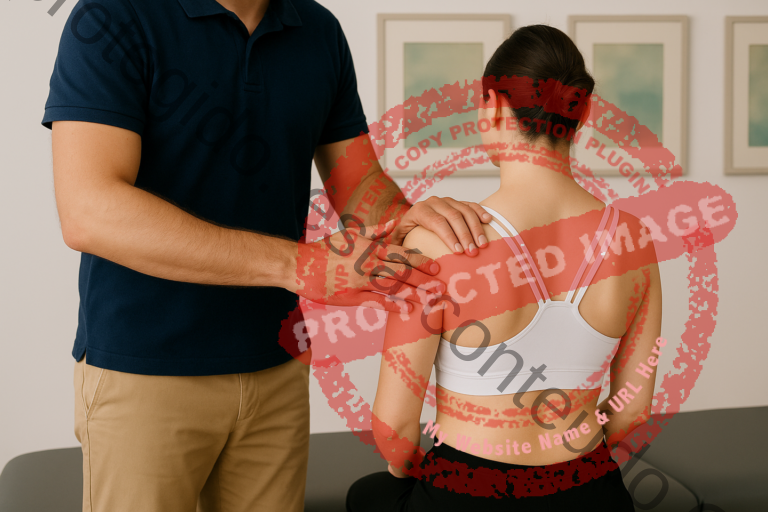
Massage of the cervical region: Gentle manual stimulation of the cervical region can influence neuromuscular and fascial structures related to the vagus nerve pathway. This approach is often used with the aim of reducing local tension and supporting modulation of the autonomic nervous system, within the framework of an individualised clinical assessment.
Cranial and Visceral Osteopathy: In the clinical context, Cranial Osteopathy and Visceral Osteopathy can be used as complementary approaches to modulating the autonomic nervous system. Cranial Osteopathy works at the base of the skull, where structures related to the emergence of the vagus nerve are located, and can influence its function by improving tissue mobility. Visceral Osteopathy acts on the internal organs, stimulating vagal receptors and supporting communication between the central nervous system and peripheral organs. Together, these approaches fit into a clinical perspective orientated towards neurophysiological regulation and functional balance.
Understanding the vagus nerve from an integrative perspective
The vagus nerve plays an important role in brain-body communication and in regulating emotions.
Stimulating the vagus nerve regularly can help promote a state of deep relaxation, reduce symptoms of anxiety and depression and improve general well-being.
Incorporating simple practices such as deep breathing, yoga, exposure to cold and singing into your daily routine can be an effective way of strengthening the vagus nerve and achieving greater emotional balance.
These practices can not only contribute to mental health, but also promote a more balanced and healthy lifestyle.
Note: Please be aware that the practices described in this article do not replace conventional medical treatments or psychological counselling for anxiety and depression. Although vagus nerve stimulation can be beneficial as part of an integrative approach, it is essential to consult a healthcare professional for a proper diagnosis and treatment plan. These self-care strategies should be seen as complementary rather than substitutes. If you suffer from anxiety or depression, seek qualified professional advice.
David Brandão | Osteopath and Physiotherapist
Specialised in Clinical Psychoneuroimmunology
Physiotherapist Card: 3652 | Order of Physiotherapists // Osteopath Card: C-0031697 | ACSS
Integrativa | Health and well-being as a lifestyle
This website and its content are for information purposes only and are not a substitute for medical or health professional advice. Each person's treatment should be individualised and guided by health professionals. Do not make any changes to your treatment without contacting the doctor or health professional accompanying you.
Reference articles
- Friedman, B. H., & Thayer, J. F. (1998). Autonomic balance revisited: Panic anxiety and heart rate variability. Journal of Psychosomatic Research, 44(6), 233-243.
- Kjaer, T. W., Bertelsen, C. J., & Nielsen, A. (2002). Increased brain activity during meditation: A positron emission tomography study. Neuroscience Letters, 338(1), 5-8.
- Kox, M., van Eijk, L. T., & Zwaag, J. (2014). Voluntary activation of the vagus nerve modulates human innate immune and sympathetic responses. Brain, Behavior, and Immunity, 40, 238-248.
- Porges, S. W. (2007). The polyvagal perspective. Biological Psychology, 74(2), 116-143.
- Thayer, J. F., & Lane, R. D. (2000). A model of neurovisceral integration in emotion regulation and dysregulation. Journal of Affective Disorders, 61(3), 201-216.
- Vaschillo, E. G., & Vaschillo, B. (2006). The effect of breathing on the autonomic nervous system and health. Applied Psychophysiology and Biofeedback, 31(2), 165-176.
- Lee, J. H., Choi, T. Y., Lee, M. S., Lee, H., Shin, B. C., & Ernst, E. (2013). Osteopathic manipulative treatment for non-specific chronic low back pain: A systematic review of randomised controlled trials. BMC Complementary and Alternative Medicine, 13(1), 1-8.
- Koch, H., & Taylor, L. L. (2001). Visceral manipulation: The effects on the autonomic nervous system. International Journal of Osteopathic Medicine, 4(3), 134-139.
Related articles