

Shoulder arthroscopy is a minimally invasive surgical technique used for the diagnosis and treatment of various pathologies, including rotator cuff tears, impingement syndrome, shoulder instability, labral tears, calcifications, and degenerative changes.
While less aggressive than open surgery, arthroscopy requires a carefully structured rehabilitation process to ensure adequate recovery of shoulder mobility, strength, and stability.
At Integrativa, Physiotherapy plays a central role in post-arthroscopy recovery, promoting safe, progressive rehabilitation tailored to each individual's specific needs.
Why is physiotherapy essential after shoulder arthroscopy?
After surgery, the shoulder goes through healing phases that require specific care. It is essential to protect the repaired structures, control pain and oedema, avoid joint stiffness, recover mobility gradually, re-educate the musculature of the shoulder blade and scapula, re-establish strength and neuromuscular control and prepare the shoulder to return to activity and sport
Without a proper physiotherapy programme, there is a greater risk of stiffness, limited movement and relapses.
Stages of rehabilitation after shoulder arthroscopy
Although each procedure and each person has different recovery times, rehabilitation follows well-defined stages to ensure that the shoulder heals correctly and returns to full function.
- Pre-operative phase (when possible): Before surgery, we work to reduce pain and inflammation, improve mobility, and prepare the muscles for the post-operative period. Clinical evidence shows that patients who undergo pre-operative rehabilitation tend to recover more quickly.
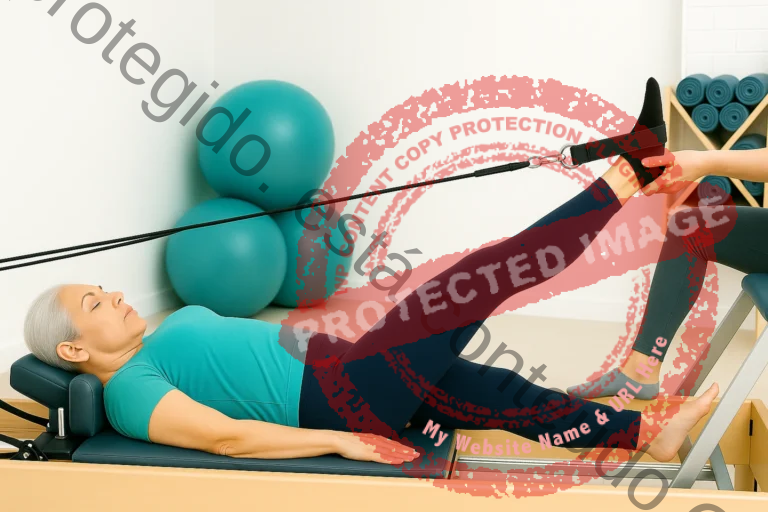
- Initial recovery: The main objectives are to control pain and swelling, protect the repaired tissues, and prevent joint stiffness through passive exercises, gentle mobilisations, pendulum exercises, and light muscle activation. This is essentially a phase of protection and adaptation.
- Active mobility and initial strengthening: In this stage, we begin active mobility without pain, activation of the shoulder blade stabilisers, and light strengthening of the rotator cuff. The focus is on restoring the shoulder's movement pattern without compromising the surgical repair.
- Progressive strengthening and neuromuscular control: With mobility restored, we move on to resistance exercises, dynamic stability training, and the recovery of coordination and functional strength. This phase prepares the shoulder to withstand greater functional demands.
- Return to professional and daily activity: This includes specific functional training, exercises adapted to work and personal routines and gaining confidence in movement. This is the moment when the patient is able to use their shoulder safely again.
- Return to Sport (where applicable) : For those who practise sport, we create a plan of specific sporting gestures, power and speed training and advanced muscle strengthening. The aim is to ensure performance, stability and relapse prevention.
What influences recovery time?
Several factors determine the duration and complexity of post-arthroscopy rehabilitation:
- type of injury treated (e.g. rupture of the coif requires more time than subacromial decompression)
- age and physical condition
- level of activity and professional demands
- presence of associated lesions
- consistency in physiotherapy sessions
- fulfilment of the exercise plan at home
Recovery is individual, but with specialised monitoring the results are predictable and safe.
Post-arthroscopy rehabilitation at Integrativa: movement that restores confidence
At Integrativa, we have developed specific programmes for recovery after shoulder arthroscopy, based on science and clinical evidence, progressive and safe rehabilitation, close monitoring at all stages, absolute personalisation of the exercise plan and a focus on stability and prevention of new injuries.
The aim is not only to restore shoulder function, but also to restore confidence, independence, and quality of life.
Shoulder arthroscopy is just one step in the recovery process. Well-guided rehabilitation is crucial for the success of the surgery and for a safe return to daily activities and sports.
A structured, individualised, and evidence-based approach allows for the optimisation of outcomes and reduction of medium and long-term complications.
If you have undergone shoulder arthroscopy or are preparing for the procedure, a physiotherapy assessment allows for a rehabilitation plan tailored to your needs and functional goals. Book your assessment at Integrativa and begin a safe, effective, and results-oriented rehabilitation journey.
Alexandra Gomes | Physiotherapist and Clinical Pilates Instructor by APPI
Physiotherapist Card: 1459 | Order of Physiotherapists
Integrativa | Health and well-being as a lifestyle
This website and its content are for information purposes only and are not a substitute for medical or health professional advice. In all cases, treatments should be individualised and guided by health professionals. Do not make any changes to your treatment without contacting the doctor or health professional accompanying you.
Related articles