

Low back pain is one of the most prevalent musculoskeletal conditions worldwide, with a significant impact on quality of life, productivity, and functional autonomy. It is estimated that the majority of cases are classified as non-specific low back pain, meaning there is no identifiable structural cause through imaging examinations. This framework reinforces the relevance of approaches centred on function, movement, and neuromuscular control, rather than interventions focused exclusively on anatomical structure.
International clinical guidelines in musculoskeletal health recommend therapeutic exercise as a first-line intervention for managing low back pain, particularly in the subacute and chronic stages. These recommendations favour active, individualised strategies supported by scientific evidence. In this context, Clinical Pilates has been assuming a growing role in clinical practice, being recognised as a structured, safe and adaptable approach to different clinical settings.
What is Clinical Pilates?
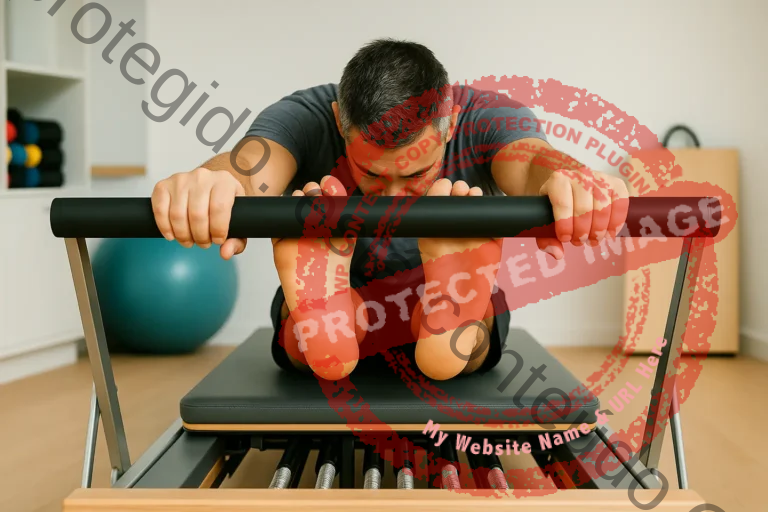
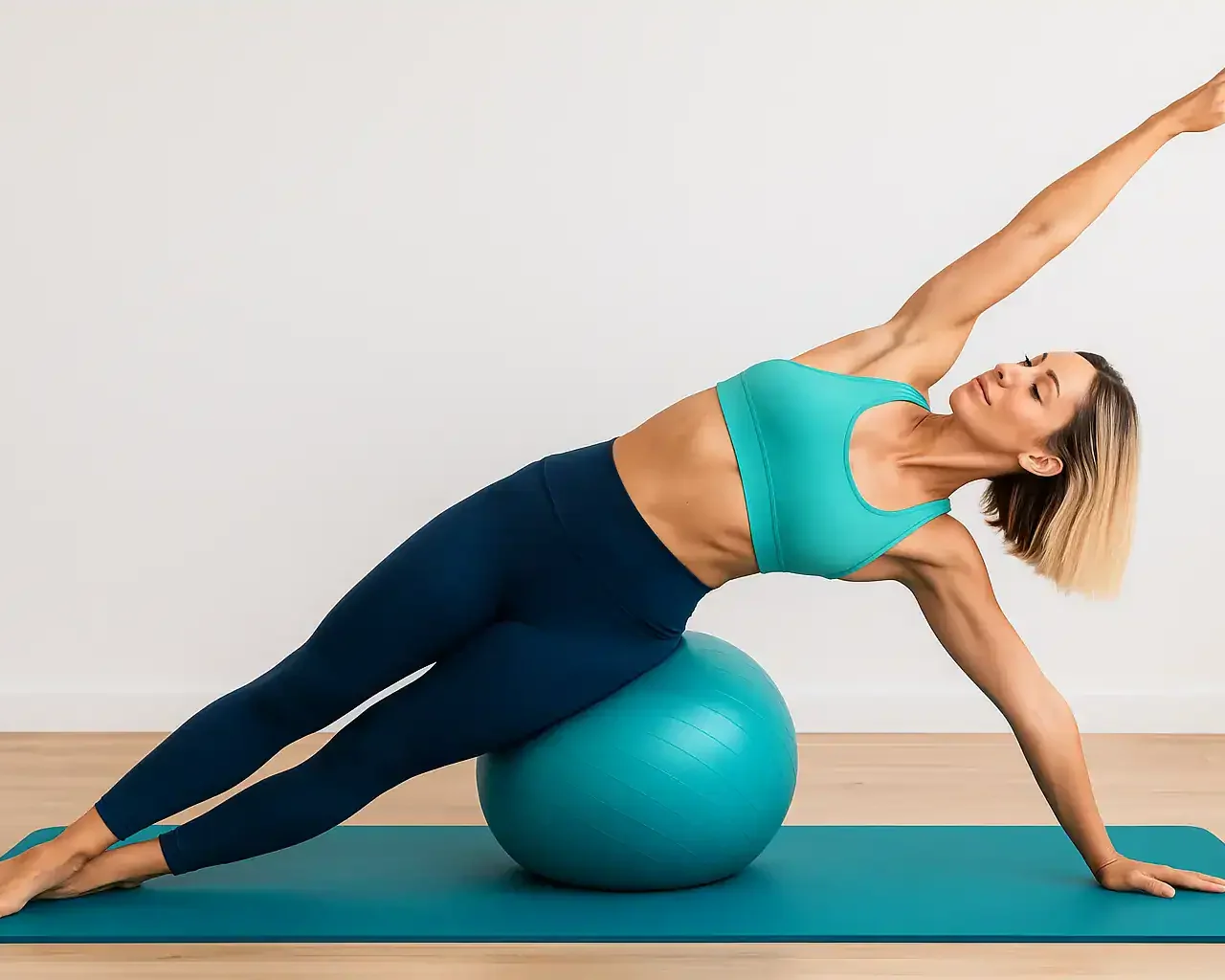
Clinical Pilates is an exercise-based therapeutic approach, derived from the traditional Pilates method, developed specifically for rehabilitation, injury prevention, and the promotion of functionality. It is a structured and individualised method, integrated within the scope of Physiotherapy and supervised by a physiotherapist, ensuring clinical suitability, safety and consistency of intervention.
This approach is based on the classic principles of Pilates, namely breath, control, concentration, precision, centering, and flow, applied in a clinical manner and framed by scientific evidence. Unlike traditional Pilates, Clinical Pilates begins with an individualized functional assessment, which allows for the definition of specific objectives, the selection of the most appropriate exercises, and the adjustment of progression according to the clinical condition and the individual's evolution.
The focus is on core stability, motor control, postural alignment, and functional movement integration. These elements are particularly relevant in cases of non-specific low back pain, where alterations in neuromuscular control and less efficient movement patterns play a significant role in the persistence of pain.
Benefits of Clinical Pilates for lower back pain
The available scientific evidence indicates that Clinical Pilates is associated with a reduction in the intensity of lower back pain and an improvement in functionality, particularly in people with non-specific lower back pain, in subacute and chronic contexts, when integrated into a structured and supervised programme. It is considered a safe approach, well-tolerated and adaptable to different clinical profiles.
Among the main benefits described in the literature are:
- Improved functionality and physical capability: Supervised Clinical Pilates programmes are associated with gains in strength, flexibility, balance, mobility, and confidence in movement, resulting in a greater ability to perform daily activities.
- Core strengthening and lumbopelvic stability. Specific training of the deep muscles responsible for spinal stabilisation contributes to better lumbopelvic stability, reducing mechanical overload on discs and joints, and decreasing muscular tension frequently associated with pain.
- Increased flexibility and functional mobility: Controlled movements, performed within safe ranges, promote joint mobility and muscle flexibility, favouring more efficient and functional movement patterns.
- Postural re-education and neuromuscular control Many cases of low back pain are associated with changes in motor control and ineffective movement patterns. Clinical Pilates promotes body awareness, improves neuromuscular control, and reduces muscle compensation, contributing to safer and more efficient movement.
- Low-impact and high-safety exercise: By integrating low-impact exercises, this approach offers a safe context for people with pain, allowing for controlled progression adjusted to the individual's condition.
- Adaptation to different levels of fitness: The exercises can be adjusted in terms of intensity, complexity and progression, making the method suitable for different ages, pain levels and clinical contexts.
The response to the exercise may vary between individuals, being influenced by factors such as clinical history, pain level, physical condition, and functional context, reinforcing the importance of an individualised approach.
Understanding lower back pain from an integrative perspective
Lower back pain requires an integrated clinical approach, centred on the functional assessment of movement and neuromuscular control. The analysis of the relationships between the spine, the lumbopelvic region, posture, musculature, and movement patterns is fundamental to framing the factors associated with the persistence of pain, considering its multifactorial nature and the individual characteristics of each person.
Physiotherapy, through approaches based on therapeutic exercise such as Clinical Pilates, can integrate a global monitoring model, supported by an individualised assessment of the functional relationships between the spine, the musculoskeletal system, and motor control. This perspective respects clinical variability, functional context, and the specific needs of each person, framing movement as a central element in promoting musculoskeletal functionality and health.
Meet the Integrativa team and book your Clinical Pilates session. Investing in the right movement, with expert guidance, is a fundamental step in caring for your spine and your overall health.
Rita Xarepe | Physiotherapist and Clinical Pilates Instructor by APPI
Physiotherapist Card: 4209 | Order of Physiotherapists
Integrativa | Health and well-being as a lifestyle
This website and its content are for information purposes only and are not a substitute for medical or health professional advice. In all cases, treatments should be individualised and guided by health professionals. Do not make any changes to your treatment without contacting the doctor or health professional accompanying you.
Related articles