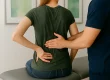


The combination of Osteopathy and Clinical Pilates allows for an integrated approach to health, based on the relationship between structure, function and movement. While Osteopathy focuses on assessing and intervening on the structure of the body and its interrelationships, Clinical Pilates uses movement as a therapeutic tool to improve control, alignment and functionality.
At Integrativa, Osteopathy, Physiotherapy, and Clinical Pilates are understood as complementary areas. They work together with the aim of supporting the body's functional balance and adaptation to the demands of daily life.
Osteopathy: structural organisation of the body
Osteopathy starts from a global view of the body, seeking to understand how the different systems interact with each other. Its aim is to support the body's natural mechanisms of self-regulation and adaptation.
It is based on the principle that the way the body is organised influences function. Changes in tissue mobility, posture or structural organisation can affect the efficiency of movement and the body's ability to respond.
Osteopathic assessment considers the relationships between the musculoskeletal, visceral, and cranial systems. In addition to identifying mobility restrictions or tissue tension, it analyses how these changes relate to movement patterns, posture, respiration, and the overall functioning of the body.
Osteopathic intervention uses manual techniques adjusted to the clinical assessment, with the aim of improving tissue mobility and supporting the body's adaptation. This approach allows symptoms to be framed in the context of functionality and not just in the place where they manifest.
Clinical Pilates: function-orientated movement
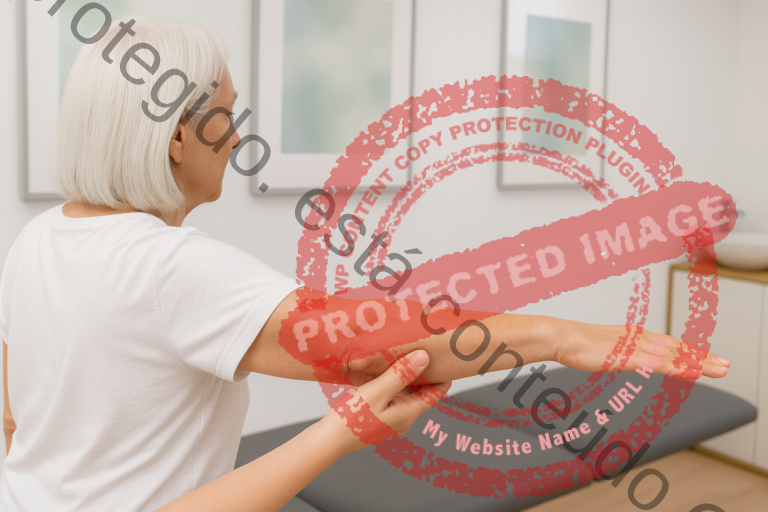
Clinical Pilates is a low-impact therapeutic exercise approach, applied in a clinical context and guided by physiotherapists with specific training. The method promotes alignment, muscle strengthening, flexibility, balance and postural organisation through controlled and conscious movements.
The practice is based on six fundamental principles: concentration, breathing, control, centralisation, precision and fluidity of movement. These principles help guide the execution of the exercises and improve body awareness and the quality of movement.
Progressively, Clinical Pilates can support postural control, balance, coordination, and muscle strengthening. It can also promote mobility, respiratory awareness, and movement efficiency. In a clinical setting, it can be used as a supplement in rehabilitation processes, always adapted to the needs of each individual.
The complementarity between Osteopathy, Physiotherapy and Clinical Pilates
At Integrativa, the work between Osteopathy, Physiotherapy and Clinical Pilates is based on a common foundation of clinical assessment and functional understanding. All Clinical Pilates instructors are Physiotherapists, guaranteeing a safe, adapted practice based on knowledge of movement and rehabilitation.
Similarly, Integrative Osteopaths have a foundational background in Physiotherapy, supplemented with osteopathic training. This combination of skills facilitates the link between structural assessment and functional intervention, allowing for a more complete understanding of the body in motion.
While Osteopathy focuses on structure and its relationships, Physiotherapy and Clinical Pilates work on function through movement. This complementarity allows for a more global and coherent approach, tailored to each person's needs.
Osteopathy and Clinical Pilates - an integrated approach to health
The integration of Osteopathy and Clinical Pilates makes it possible to understand health as a dynamic process of adaptation, in which structure and function influence each other. This integrated approach enables progressive and adjusted interventions, supporting functionality, comfort and active participation in everyday life.
David Brandão | Osteopath, Physiotherapist and Clinical Pilates Instructor
Physiotherapist Card: 3652 | Order of Physiotherapists // Osteopath Card: C-0031697 | ACSS
Integrativa | Health and well-being as a lifestyle
This website and its content are for information purposes only and are not a substitute for medical or health professional advice. In all cases, treatments should be individualised and guided by health professionals. Do not make any changes to your treatment without contacting the doctor or health professional accompanying you.
Related articles