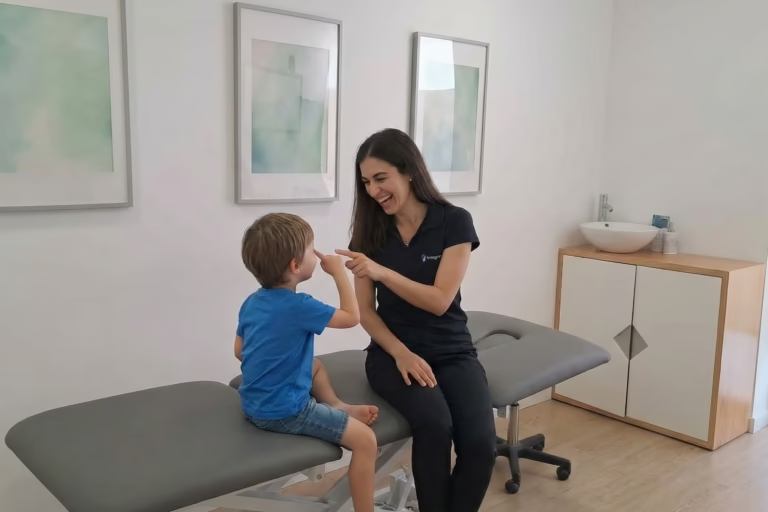


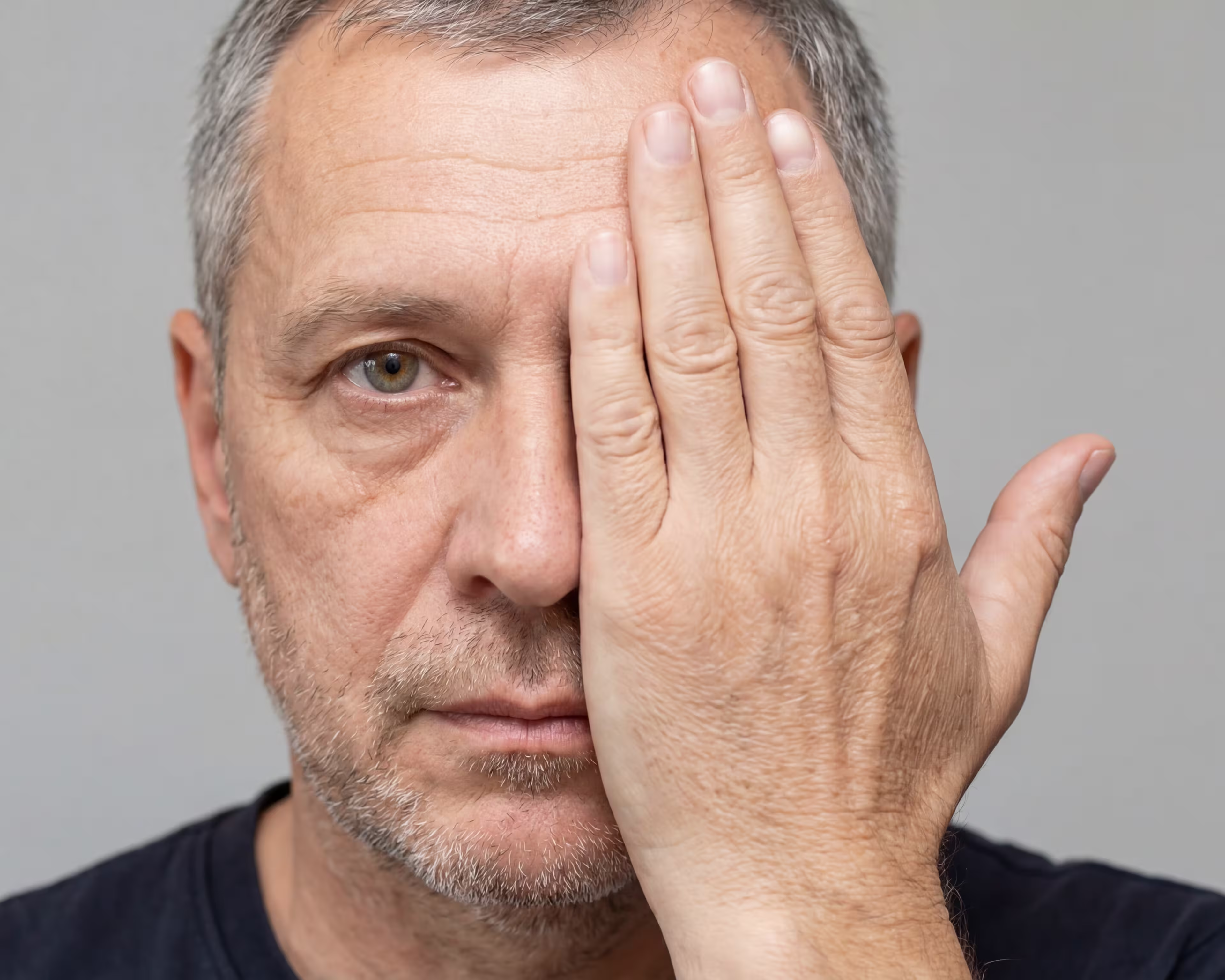
Facial paralysis is a neuromuscular condition that can cause pain in the face, increased tension in the facial muscles, asymmetry of movements, difficulty closing one eye and involuntary muscle contractions. In the event of any of these signs, it is essential to seek medical assessment first and then referral to physiotherapy specialising in facial paralysis, ideally within the first few days, in order to ensure proper guidance from the outset.
From a clinical point of view, facial paralysis corresponds to a weakness of the facial muscles, usually unilateral, resulting from a lesion of the facial nerve, usually associated with oedema or compression along its path. This nerve is responsible for activating the muscles of facial expression; when it is compromised, the mobility of the face is inevitably affected.
Functional recovery does not depend exclusively on the regeneration of the facial nerve. It is also crucial to promote adequate relaxation of the facial tissues, an essential condition for promoting motor reorganisation and quality of movement.
Most common symptoms of facial paralysis
The clinical presentation can vary from person to person, but often includes:
- Facial asymmetry at rest or during movement
- Pain or a feeling of pressure in the face or behind the ear
- Difficulty closing one eye completely
- Changes in facial mimicry
- Increased muscle tension in certain areas
- Involuntary movements associated with voluntary gestures (synkinesia)
Why not all exercises are suitable
Exercising without specialised guidance is not recommended. According to guidelines More recently, frequently suggested practices such as chewing gum, inflating balloons or making faces in front of the mirror show no functional benefit and may, on the contrary, contribute to inadequate reinnervation of the facial nerve and excessive recruitment of the facial muscles.
This type of stimulus can encourage the appearance of abnormal movement patterns, characterised by mass movements, persistent areas of facial tension or synkinesis, i.e. the involuntary activation of certain muscles during voluntary movements (for example, closing the eye and simultaneously raising the corner of the mouth). These changes can jeopardise fine motor control and the harmony of facial movements.
The first few days after the onset of symptoms are particularly important. Appropriate clinical guidance at this stage makes it possible to understand what is happening to the face, identify the existing functional potential and learn strategies that promote greater freedom of movement, avoiding early compensations.
The specific nature of facial physiology requires special care
In Portugal, facial paralysis is often treated by generalist physiotherapists without specific training in this area. Although these professionals play an important role in other musculoskeletal and neurological conditions, the face has its own physiological and biomechanical characteristics, which require differentiated intervention.
Applying the same principles used in other regions of the body to the face may be inappropriate. According to the most recent guidelines, certain resources still used in some contexts can negatively interfere with neuromuscular reorganisation:
- Application of ice
- Fast stimuli and sudden movements
- Electro-stimulation
- Mime exercises in front of the mirror
- Home recommendations such as chewing gum or blowing up balloons
These interventions focus mainly on gaining muscle strength, without taking into account the ability of the facial nerve to generate coordinated movement or the importance of relaxation and motor control. This approach can favour compensatory movements and the development of sequelae, including synkinesis.
Facial paralysis from an integrative perspective
Facial paralysis involves complex neuromuscular changes that go far beyond loss of strength. Reorganisation of movement, control of facial tension and the quality of muscle activation are determining factors throughout the functional recovery process.
At Integrativa, the physiotherapy specialising in facial paralysis are based on a rigorous clinical assessment of mobility, symmetry, muscle strength, coordination, compensatory patterns and functional impact, including speech, chewing, swallowing and emotional expression. This assessment allows each case to be understood on an individualised basis.
Based on this detailed analysis, a progressive physiotherapy approach is outlined, guided by clear clinical objectives, adjusted to the needs of each person and the different stages of evolution, with a focus on facial dynamics and respect for the physiology of the face.
Alexandra Gomes | Physiotherapist specialising in the treatment and recovery of Facial Paralysis
member of the Facial Therapy Specialists International (FTSI)
Physiotherapist Card: 1459 | Order of Physiotherapists
Integrativa | Health and well-being as a lifestyle
This website and its content are for information purposes only and are not a substitute for medical or health professional advice. In all cases, treatments should be individualised and guided by health professionals. Do not make any changes to your treatment without contacting the doctor or health professional accompanying you.
Related articles