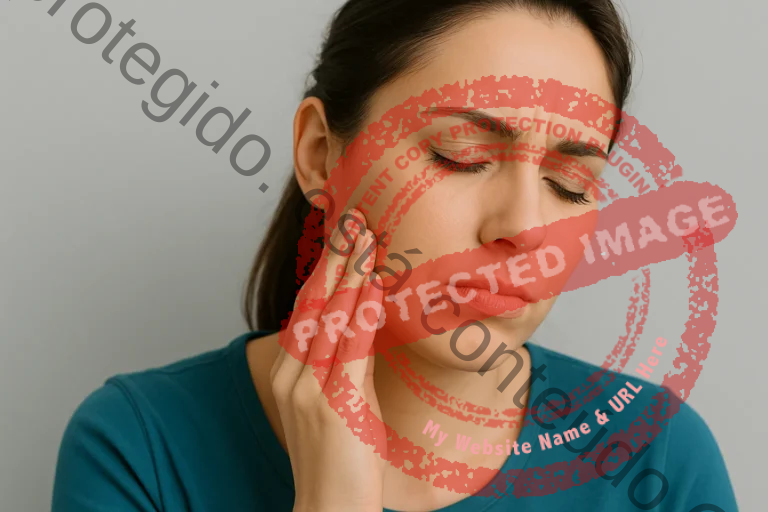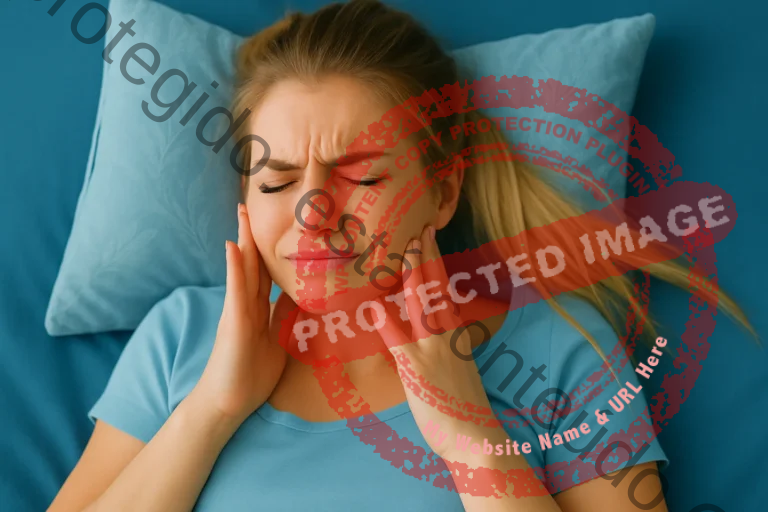


Headaches and migraines are common complaints that can significantly affect quality of life. Their clinical manifestation varies and can be associated with factors such as stress, muscle tension, hormonal imbalances, alterations in cranial structures, and postural problems. The diversity of potential causes contributes to the complexity of these conditions, highlighting the importance of a comprehensive and personalised clinical evaluation.
The role of the trigeminal nerve in headaches and the temporomandibular joint (TMJ)
The trigeminal nerve, one of the main sensory nerves in the face, plays a crucial role in the perception of pain and the regulation of sensory functions in the craniofacial region, covering areas such as the head, face and temporomandibular joint (TMJ). This nerve is responsible for transmitting pain signals from various structures, such as the jaw, teeth, chewing muscles and the TMJ itself. When there are dysfunctions or tensions in these areas, the trigeminal nerve can contribute significantly to the development of headaches or even migraines.
In the specific case of the TMJ, dysfunctions in this joint can cause overload on both the TMJ and the chewing muscles, resulting in muscle tension and alterations in local blood circulation. This tension can directly affect the function of the trigeminal nerve, causing painful symptoms that can radiate to other regions of the head and face, resulting in tension headaches or other types of headaches.
Cranial Osteopathy as an Approach to Headaches
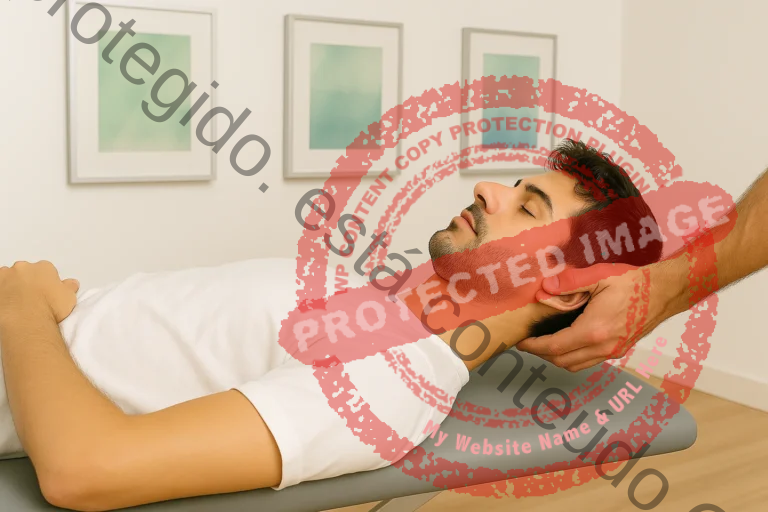
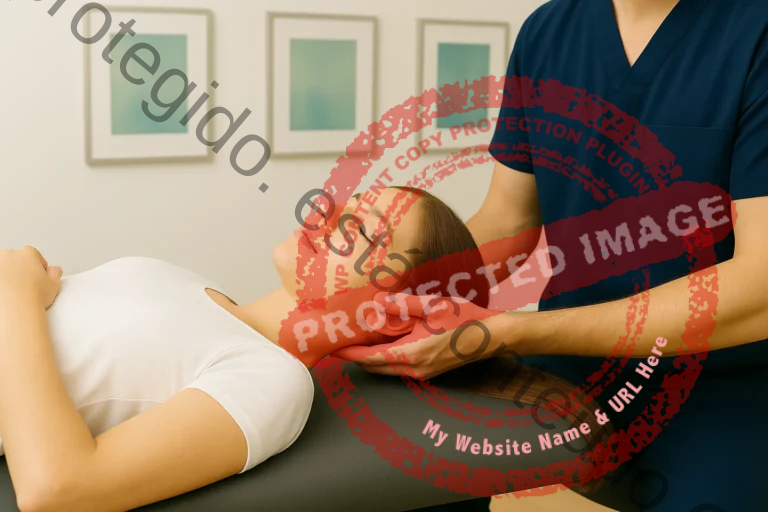
Cranial Osteopathy, by adopting an integrative approach, focuses on assessing tensions in the cranial tissues, including the mobility of cranial sutures, the tension of meningeal membranes, and the connection between the skull and the musculoskeletal system. Alterations in cranial dynamics can be associated with abnormal tension patterns, which can affect local blood supply and innervation, generating or maintaining headaches.
Cranial osteopathy works precisely on the interaction between the TMJ, the muscles of mastication, the nervous system and the trigeminal nerve. By assessing and treating functional restrictions in the TMJ, facial muscles and cranial joints, the aim is to reduce tension and restore the functional balance of the structures involved. This can relieve pressure on the trigeminal nerve and consequently reduce the frequency and intensity of headaches associated with TMJ dysfunction. Osteopathic intervention can also involve gentle techniques that promote local blood and lymph circulation, helping to regenerate and relieve accumulated tension.
The role of daily habits in the expression of headaches and migraines
In the context of Integrative Osteopathy, lifestyle assessment and guidance are an important part of the therapeutic process, and may include:
- Sleep qualityInadequate sleep patterns may be related to the frequency and intensity of headaches.
- Management stress: Relaxation techniques, such as breathing exercises, help reduce tension.
- Heat and massageMassage techniques and the use of heat help to reduce muscle tension, especially in the cervical and cranial area.
- Identification of triggering factorsFood, alcohol, tobacco, stress emotional or environmental changes that can aggravate crises.
- Reduction of intense sensory stimuliMinimising exposure to bright lights, smells or loud sounds can help control painful episodes.
Understanding headaches and migraines from an integrated perspective
Headaches and migraines can have multiple causes, often involving a combination of musculoskeletal, neurological, hormonal, and emotional factors. Cranial Osteopathy, by adopting an integrative approach, aims to understand the functional relationships between the skull, spine, and musculoskeletal system. Treatment individualisation is essential to respect the clinical variability of each patient and optimise outcomes.
Cranial Osteopathy can be a complementary approach to monitoring headaches and migraines, especially in cases of persistent or recurrent symptoms. By taking into account postural factors, muscle tension and dysfunctions in the cranial joints and TMJ, osteopathic intervention can improve patients' quality of life. By integrating a personalised and individualised approach, osteopathy can make a significant contribution to the treatment of headaches, without replacing other therapeutic interventions.
At Integrativa, specialised consultations for TMJ and orofacial pain are part of a global clinical assessment, where the body is analysed in an integrated manner through physiotherapy and osteopathy, considering the interactions between the musculoskeletal (Structural Osteopathy), visceral (Visceral Osteopathy), and cranial (Cranial Osteopathy) systems. A complete and personalised clinical evaluation allows us to frame each situation in detail and define strategies tailored to individual needs, respecting the complexity of tension headaches.
The assessment consultation with a specialised Physiotherapist – Osteopath allows for a careful and individualized understanding of how this integrative approach can be beneficial for your case.
David Brandão | Osteopath and Physiotherapist
Specialising in Cranial Osteopathy for TMJ, Orofacial Pain and Headaches
Physiotherapist Card: 3652 | Order of Physiotherapists // Osteopath Card: C-0031697 | ACSS
Reference articles
- Cerritelli, Francesco, et al. “Osteopathy for Primary Headache Patients: A Systematic Review.” Journal of Pain Research, vol. 10, Mar. 2017, pp. 601-11. www.dovepress.com,
- Macedo et al. (2007) Efficacy of cranial manual therapy in women with headache. FISIOTERAPIA E PESQUISA 14(2):14-20
- Yuh, Clara I., and Davin Agustines. “Osteopathic Manipulative Techniques for Migraine Treatment - Letter to the Editor.” International Journal of Osteopathic Medicine, vol. 37, Sept. 2020, p. 54. DOI.org (Crossref), https://doi.org/10.1016/j.ijosm.2020.05.008.
- Rolle, Guido, et al. “Pilot Trial of Osteopathic Manipulative Therapy for Patients With Frequent Episodic Tension-Type Headache.” Journal of Osteopathic Medicine, vol. 114, no. 9, Sept. 2014, pp. 678-85. DOI.org (Crossref), https://doi.org/10.7556/jaoa.2014.136.~
- Jara Silva, Cesar E., et al. “Osteopathic Manipulative Treatment and the Management of Headaches: A Scoping Review.” Cureus, Aug. 2022. DOI.org (Crossref), https://doi.org/10.7759/cureus.27830.
Integrativa | Health and well-being as a lifestyle
This website and its content are for information purposes only and are not a substitute for medical or health professional advice. In all cases, treatments should be individualised and guided by health professionals. Do not make any changes to your treatment without contacting the doctor or health professional accompanying you.
Related articles