

The vagus nerve is one of the most important components of the nervous system and is essential for communication between the brain and the body. As part of the autonomic nervous system, it regulates vital functions that occur automatically, such as digestion, respiration, heart rate and the response to stress. In addition, the vagus nerve plays an essential role in maintaining physical and emotional balance. Its correct function is fundamental to general well-being, and altering the function of this nerve can have a significant impact on health (Friedman & Thayer, 1998; Wang, 2023).
What is the vagus nerve?
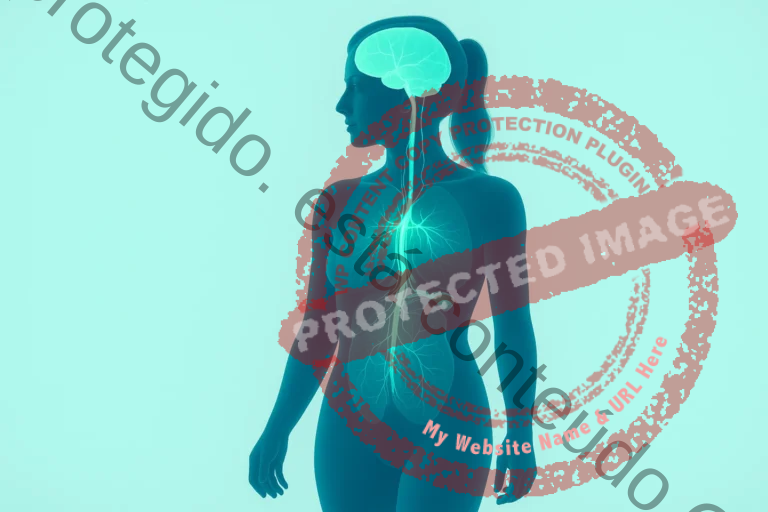
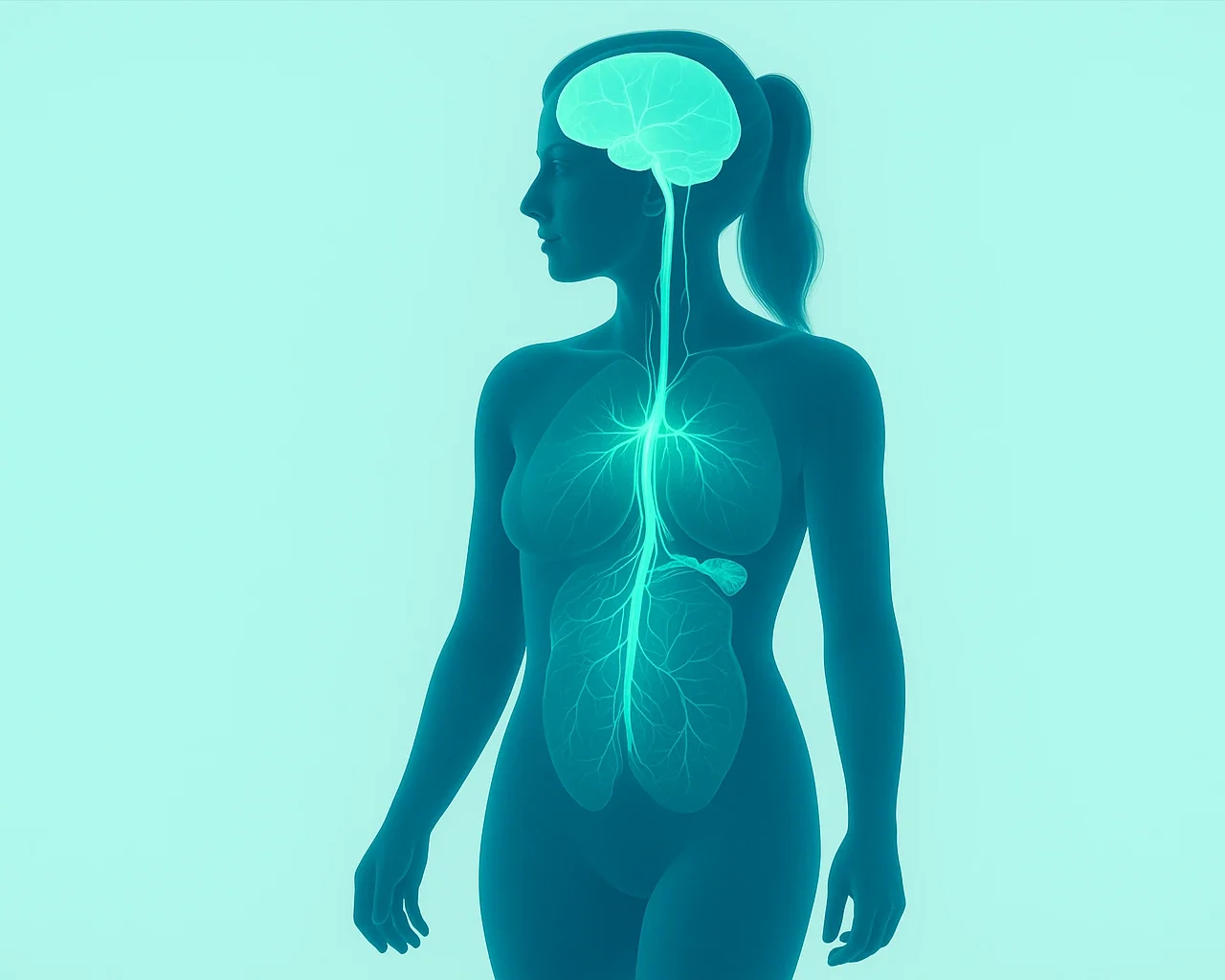
The vagus nerve is the tenth of the twelve cranial nerves and the largest in the autonomic nervous system. Originating in the brainstem, it runs through an extensive network of organs, including the heart, lungs, stomach, intestines and even the throat muscles. The vagus nerve is divided into two main branches - the right vagus nerve and the left vagus nerve - which extend to different parts of the body, facilitating communication between the brain and internal organs (Porges, 2007).
This nerve is a vital component of the parasympathetic nervous system, which is responsible for “rest and digest” responses. In contrast, the sympathetic nervous system prepares the body for “fight or flight” situations. The effective regulation of these two systems ensures the balance of bodily and emotional functions (Porges, 2007; Pavlov & Tracey, 2005).
How the vagus nerve facilitates brain-body communication
The vagus nerve facilitates communication between the brain and the internal organs, playing an essential role in various automatic functions of the body, such as..:
Heart rate monitoring: The vagus nerve reduces the heart rate in situations of rest or relaxation, contributing to the body's recovery. This effect is mediated by the activation of the parasympathetic system, which decreases the activity of the sinus node, responsible for conducting the heart rhythm (Thayer & Lane, 2000).
Regulation of respiration: By sending signals to the lungs, the vagus nerve regulates the respiratory rhythm, promoting slower and deeper breathing. This is fundamental for reducing anxiety and stress, contributing to a state of relaxation (Jerath et al., 2015).
Management of the digestive system: The vagus nerve stimulates the secretion of gastric juices and facilitates the peristaltic movements of the intestine. It also coordinates communication between the brain and the gastrointestinal system, which helps with the efficient digestion of food. The strong connection between the stomach and emotions can also be explained by this communication pathway (Porges, 2007).
Emotional regulation and response to stress: The vagus nerve controls the response to stress and promotes a state of calm and emotional balance. By activating the parasympathetic system, it helps to reduce the negative effects of stress and anxiety, promoting relaxation and recovery (Thayer & Lane, 2000; Tanaka, 2022).
Modulation of inflammation and immunity: The vagus nerve also plays a key role in regulating inflammation, helping to control the production of cytokines (substances associated with inflammation). This directly influences the immune system, contributing to the appropriate response to infections and recovery processes (Kox et al., 2014; Pavlov & Tracey, 2005).
The brain-intestine connection: the impact of the vagus nerve
The vagus nerve establishes direct communication between the brain and the gut, known as the “brain-gut axis”, which is fundamental to physical and mental health. The brain sends signals to the gut to regulate digestive processes, while the gut sends information back to the brain, influencing emotions, behaviour and even cognitive functions.
This process is explained by interoception, the body's ability to perceive and interpret internal signals such as digestion, heartbeat and breathing. The vagus nerve is the main conductor of this communication, sending information about the body's internal state to the brain, facilitating emotional regulation and physiological homeostasis. Interoception allows physical information to be integrated to help adapt to external and internal situations, and alterations in this perception can contribute to emotional disorders such as anxiety and depression (Craig, 2002).
Studies show that intestinal health is directly linked to mental health. The efficient functioning of the vagus nerve facilitates communication between the gastrointestinal system and the central nervous system, contributing to emotional balance. This can improve the response to stress and reduce symptoms related to both digestive and emotional disorders (Vaschillo & Vaschillo, 2006; Pavlov & Tracey, 2005).
In addition, activation of the vagus nerve influences the production of neurotransmitters such as serotonin, which is predominantly synthesised in the gut. Serotonin plays an essential role in regulating mood, in the interaction between the vagus nerve and the brain and intestinal systems and helps maintain the balance between the physical and emotional aspects of the body. This is particularly important in conditions associated with stress and anxiety (Porges, 2007; Kjaer et al., 2002).
The impact of changes in the functioning of the vagus nerve on health
When there are alterations in the functioning of the vagus nerve, this can significantly affect health. Impaired function of the vagus nerve can result in various problems, such as:
Increased stress and anxiety: An altered vagus nerve can result in a chronic stress, making it difficult for the body to recover and exacerbating symptoms of anxiety and depression (Friedman & Thayer, 1998; Wang, 2023).
Digestive Problems: As the vagus nerve is involved in regulating digestion, altered function can lead to problems such as acid reflux, irritable bowel syndrome and constipation (Porges, 2007).
Changes in heart rhythm: Dysfunction of the vagus nerve can contribute to irregular heartbeats or an accelerated heart rate (Thayer & Lane, 2000).
Compromised immune system: The vagus nerve's ability to regulate inflammation is essential for the immune system. When the function of the vagus nerve is altered, the body can become more vulnerable to infections and inflammatory diseases (Kox et al., 2014; Pavlov & Tracey, 2005).
How to stimulate the vagus nerve naturally
There are various practices that can be integrated into everyday life with the aim of favouring modulation of the vagus nerve and supporting the balance of the autonomic nervous system.
- Deep, controlled breathing: Slow, deep and predominantly diaphragmatic breathing stimulates receptors involved in regulating blood pressure and heart rate. These signals are integrated at brainstem level and communicated to the vagus nerve, promoting greater parasympathetic activation. Heart rate variability, often used as an indirect marker of vagal tone, may reflect these adaptations. Different breathing patterns can be used in a clinical context, respecting individual characteristics and limitations.
- Meditation and mindfulness practices: Meditative practices associated with mindfulness and breathing regulation have been linked to an increase in parasympathetic activity. By favouring states of greater neurophysiological stability, these practices can contribute to a reduction in reactivity to stress and for modulating vagal tone, supporting emotional and physiological regulation.
- Exposure to cold: Acute, controlled exposure to cold, such as cold showers or the application of cold water to the face, activates autonomic reflexes that tend to reduce sympathetic activity and favour the parasympathetic response. These mechanisms involve cardiovascular and respiratory adaptations that can influence vagal tone, when carried out in a progressive and clinically appropriate manner.
- Activation of the oropharyngeal musculature: Activities such as singing, making sustained sounds, humming or gargling involve muscles in the pharynx and larynx, regions innervated by branches of the vagus nerve. Repeated stimulation of these structures can indirectly influence vagal activity, integrating simply into everyday life and supporting the regulation of heart rate and neurophysiological state.
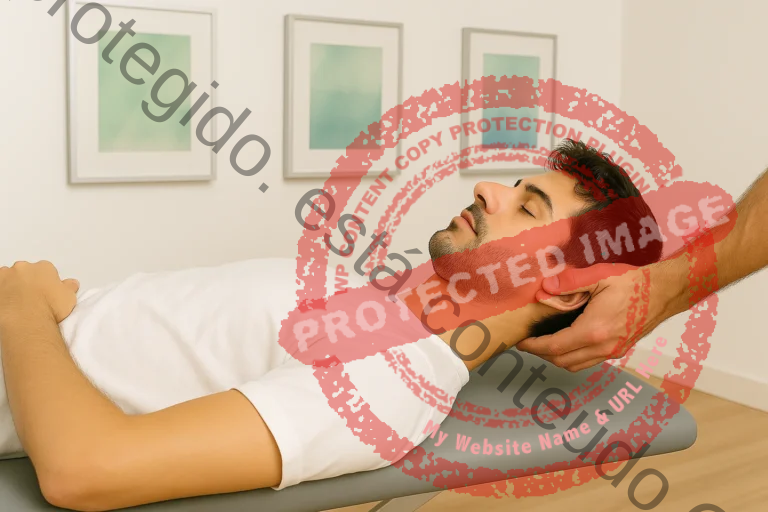
- Massage of the cervical region: Gentle manual stimulation of the cervical region can influence neuromuscular and fascial structures related to the vagus nerve pathway. This approach is often used with the aim of reducing local tension and supporting modulation of the autonomic nervous system, within the framework of an individualised clinical assessment.
- Cranial and Visceral Osteopathy: In the clinical context, Cranial Osteopathy and Visceral Osteopathy can be used as complementary approaches to modulating the autonomic nervous system. Cranial Osteopathy works at the base of the skull, where structures related to the emergence of the vagus nerve are located, and can influence its function by improving tissue mobility. Visceral Osteopathy acts on the internal organs, stimulating vagal receptors and supporting communication between the central nervous system and peripheral organs. Together, these approaches fit into a clinical perspective orientated towards neurophysiological regulation and functional balance.
Understanding the vagus nerve from an integrative perspective
The vagus nerve is one of the most important communication pathways between the brain and the body, playing a fundamental role in regulating vital functions as well as maintaining emotional and mental health. Its dysfunction can have a profound impact on health, affecting both physical and emotional aspects. Stimulating the vagus nerve with natural practices or specialised interventions can promote a healthy balance in the body. Caring for the vagus nerve is therefore essential for ensuring the body's proper functioning and overall well-being.
Note: Stimulation of the vagus nerve can be beneficial as part of an integrative approach to health, but each case is unique. Before adopting any practice, it is essential to consult a qualified health professional to ensure the right diagnosis and treatment plan for your specific case, especially if you suffer from pre-existing conditions such as heart, digestive or emotional problems.
The vagus nerve is just one of the many systems that osteopathy can help balance.
In Integrative Osteopathy, we work on the connection between the body, the nervous system and natural self-regulation. More than just a physical intervention, Osteopathy is a global approach that aims to stimulate the body to achieve its natural balance.
In Integrative Osteopathy consultations, Cranio-Visceral Osteopathy is part of a global clinical assessment, where the body is analysed in an integrative way, taking into account the interactions between the musculoskeletal (Structural Osteopathy), visceral (Visceral Osteopathy) and cranial (Cranial Osteopathy) systems. This assessment is complemented by Clinical Psychoneuroimmunology, which makes it possible to address essential factors such as sleep, physical exercise, a healthy diet, the regulation of the stress and relaxation strategies. One of the aims is to optimise the function of the vagus nerve and promote physical and emotional balance, which is essential for overall well-being.
Through a complete and personalised clinical assessment, each situation is analysed in detail, allowing us to define strategies tailored to the individual needs of each patient.
David Brandão | Osteopath and Physiotherapist
Specialised in Clinical Psychoneuroimmunology
Physiotherapist Card: 3652 | Order of Physiotherapists // Osteopath Card: C-0031697 | ACSS
Reference articles
Craig, A. D. (2002). How do you feel? An interoceptive moment with your neurobiological self. Princeton University Press.
Friedman, B. H., & Thayer, J. F. (1998). Autonomic balance revisited: Panic anxiety and heart rate variability. Journal of Psychosomatic Research, 44(2), 133-151. https://doi.org/10.1016/S0022-3999(97)00206-3
Jerath, R., Edry, J. W., Barnes, V. A., & Jerath, V. (2015). Physiology of long pranayamic breathing: Neuronal breathing control and its impact on the body and mind. Journal of Yoga & Physical Therapy, 5(1), 1-8. https://doi.org/10.4172/2157-7595.1000183
Koch, T., & Taylor, E. (2001). The effects of massage on heart rate variability and the autonomic nervous system. Journal of Alternative & Complementary Medicine, 7(6), 673-678. https://doi.org/10.1089/107555301317257987
Kox, M., van Eijk, L. T., & Henskens, H. (2014). The vagus nerve and its role in controlling inflammation: How to stimulate the vagus nerve for therapeutic purposes. Journal of Neuroimmune Pharmacology, 9(1), 20-31. https://doi.org/10.1007/s11481-014-9569-1
Kjaer, T. W., Gjedde, A., & Knudsen, G. M. (2002). Brain function during meditation: A PET study of the anterior cingulate and the prefrontal cortex. Neuroscience Letters, 333(1), 22-26. https://doi.org/10.1016/S0304-3940(02)01256-7
Lee, J. H., Choi, T. Y., Lee, M. S., Lee, H., Shin, B. C., & Ernst, E. (2013). Osteopathic manipulative treatment for chronic low back pain: A systematic review and meta-analysis of randomised controlled trials. European Journal of Integrative Medicine, 5(6), 47-52. https://doi.org/10.1016/j.eujim.2012.11.001
Pavlov, V. A., & Tracey, K. J. (2005). The vagus nerve and the inflammatory reflex-linking immunity and metabolism. Nature Reviews Endocrinology, 1(6), 30-34. https://doi.org/10.1038/nrendo.2013.242
Porges, S. W. (2007). The polyvagal theory: Neurophysiological foundations of emotions, attachment, communication, and self-regulation. Norton & Company.
Thayer, J. F., & Lane, R. D. (2000). A model of neurovisceral integration in emotion regulation and dysregulation.
Integrativa | Health and well-being as a lifestyle
This website and its content are for information purposes only and are not a substitute for medical or health professional advice. Each person's treatment should be individualised and guided by health professionals. Do not make any changes to your treatment without contacting the doctor or health professional accompanying you.
Related articles