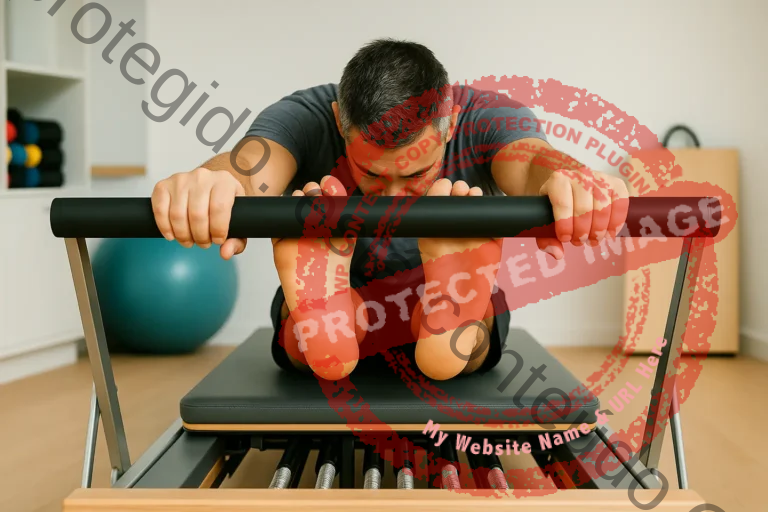


Hip replacement surgery is an increasingly common procedure in Portugal. This procedure replaces the natural hip joint with an artificial joint, restoring mobility and eliminating pain in people suffering from advanced arthrosis, femoral neck fractures or other pathologies that compromise joint mobility and functionality.
Although surgery is fundamental to eliminating pain and restoring joint function, it is physiotherapy that plays a decisive role in the rehabilitation process and the patient's overall recovery.
Symptomatology and risk factors
A hip replacement is often the most effective solution for regaining mobility and eliminating the pain caused by wear and tear or damage to the joint. For early diagnosis and timely intervention, it is essential to recognise the risk factors and warning signs.
Main risk factors:
- Degenerative diseases (osteoarthritis, osteonecrosis)
- Inflammatory diseases (rheumatoid arthritis)
- Trauma (fractured neck of femur, repeated dislocations, poor fracture healing)
- Other predisposing factors (old age, obesity, sedentary lifestyle, long-term use of corticosteroids, metabolic diseases)
Warning signs that warrant medical evaluation:
- Persistent pain
- Joint stiffness
- Claudication
- Limb deformity or shortening
- Lack of response to conservative treatments (physiotherapy, medication)
The role of physiotherapy
Physiotherapy plays an essential role in the success of hip replacement surgery, both in the preoperative phase and in postoperative recovery.
Its main aim is to promote the recovery of joint mobility, reduce pain and oedema, strengthen the muscles involved and facilitate the patient's return to their daily activities with autonomy and quality of life.
In addition, physiotherapy contributes to a faster and safer recovery, favouring balance, stability and quality of life.
Each rehabilitation process must be individualised and adjusted to each person's needs, since progress depends on multiple factors, such as the type of prosthesis, general state of health and the pace of healing.
It is therefore essential to have the physiotherapist with you at all times in order to guarantee a complete and safe recovery.
Rehabilitation phases
Rehabilitation after surgery is progressive and individualised, respecting the type of prosthesis used, the level of pain and the healing time of the tissues. In general, it is divided into several phases:
- Pre-operative phase: education and teaching of strategies for the immediate post-operative period, reduction of pain and inflammation, maintenance of mobility and strengthening of muscles.
- Phase 1 - Initial recovery: pain and oedema control, prevention of joint stiffness, gradual recovery of range of movement, starting muscle activation and gait training with aids.
- Phase 2 - Muscle strengthening: progressive introduction of strength, endurance and neuromuscular control exercises, balance and coordination training and walking without aids.
- Phase 3 - Gradual return to activity: overall muscle strengthening, promoting functional recovery, re-establishing stability, postural control and confidence in carrying out activities of daily living.
Short- and long-term care
Immediately after surgery, it is essential to take certain precautions to ensure a safe recovery:
- Avoid crossing your legs or flexing your hips too much (more than 90º), respect your doctor's instructions
- Use higher chairs with support
- If you sleep on the non-operated side, place a pillow between your legs
- Strictly adhere to the exercise plan recommended by the physiotherapist
Even after rehabilitation is complete, it's important to maintain healthy habits such as regular exercise, avoiding excess weight and continuing regular follow-up with a physiotherapist and doctor.
For those suffering from pathologies that limit mobility and cause intense pain in the hip, prosthesis surgery represents a milestone in transforming the quality of life. However, the true success of this procedure depends not only on the surgical intervention, but also on a rigorous and well-orientated rehabilitation process.
Physiotherapy plays a decisive role in all stages of recovery, since through personalised support, the physiotherapist helps the patient to regain strength, mobility, balance and confidence, promoting a safe, autonomous and lasting recovery.
Therefore, the combination of successful surgery and an appropriate physiotherapy programme, combined with the patient's commitment and attendance, is essential to achieve a complete recovery, prevent complications and fully restore the patient's quality of life.
If you have undergone or are about to undergo hip replacement surgery, our team of physiotherapists is ready to help you. Book your assessment at Integrativa and take the first step towards your recovery.
Rita Xarepe | Physiotherapist and Clinical Pilates Instructor by APPI
Physiotherapist Card: 4209 | Order of Physiotherapists
Integrativa | Health and well-being as a lifestyle
This website and its content are for information purposes only and are not a substitute for medical or health professional advice. In all cases, treatments should be individualised and guided by health professionals. Do not make any changes to your treatment without contacting the doctor or health professional accompanying you.
Related articles