

Anterior cruciate ligament (ACL) injuries are one of the most common and significant in sport, affecting both professional and amateur athletes. ACL reconstruction surgery is often necessary to regain knee stability and allow a return to physical activity. However, preparation for this surgery, especially through preoperative physiotherapy, plays a key role in successful postoperative recovery. This article explores the importance of physiotherapy before ACL surgery, highlighting its benefits and recommended practices.
Benefits of preoperative physiotherapy
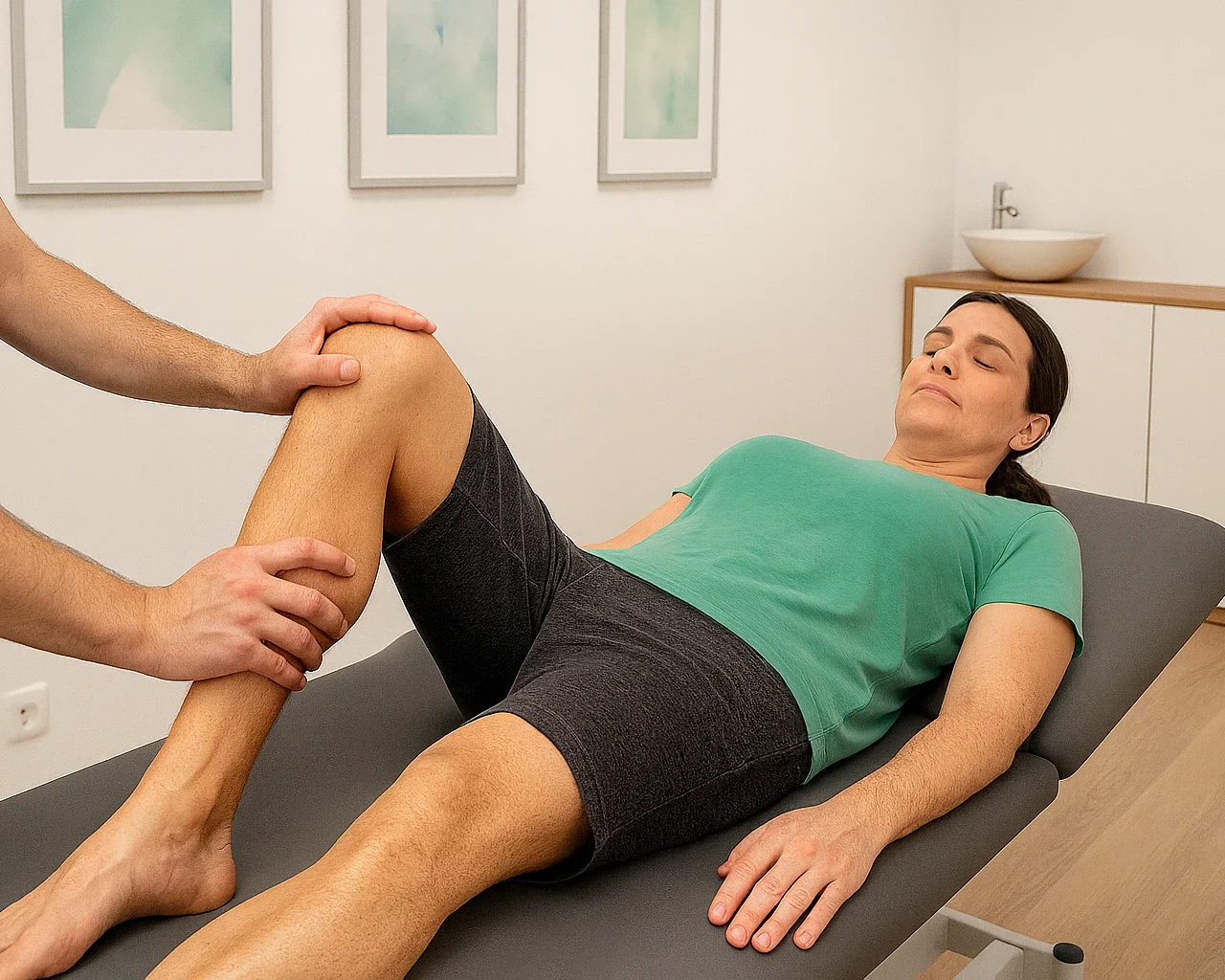
- Reducing pain and oedema: Pre-operative physiotherapy helps to control pain and reduce oedema (swelling) in the injured knee. Techniques such as manual therapy, cryotherapy and specific exercises are effective in this process.
- Improving range of motion: Maintaining or improving knee range of motion (ROM) is essential before surgery. Stretching and joint mobilisation exercises can prevent stiffness and facilitate post-operative recovery.
- Muscle strengthening: Strengthening the muscles around the knee, especially the quadriceps and hamstrings, is vital. Strong muscles provide additional support to the joint, helping to compensate for the instability caused by the ACL injury.
- Patient counselling and training: Pre-operative physiotherapy allows the patient to better understand the recovery process and learn exercises that will be needed after surgery. This prior training facilitates adherence to the post-operative rehabilitation programme.
- Improving physical function: Maintaining general physical capacity is important so that the patient is in the best possible shape before surgery. This can include low-impact aerobic exercise, such as cycling or swimming.
Recommended Practices in Preoperative Physiotherapy
- Detailed initial assessment: A full assessment of the patient's condition, including muscle strength, range of motion, joint stability and pain level, is essential to draw up a personalised treatment plan.
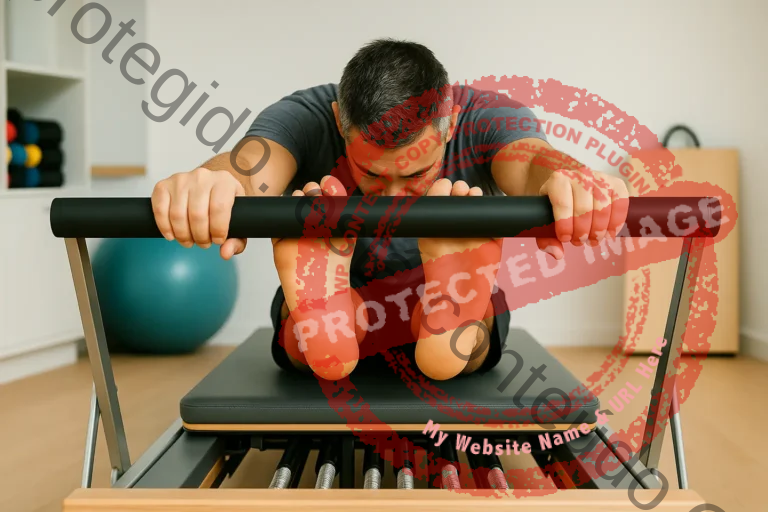
- Muscle strengthening exercises: Focus on strengthening the quadriceps, hamstrings, glutes and leg muscles through specific exercises such as squats, straight leg raises and resistance band exercises.
- Proprioception and balance trainingProprioception exercises, such as the use of balance boards or unstable platforms, help to improve neuromuscular control and knee stability.
- Joint mobilisation and stretchingMobilisation techniques to maintain joint mobility and stretches to prevent stiffness are crucial. Focus on gentle, progressive stretching of the knee and thigh.
- Pain and oedema managementUse of techniques such as massage and elevation of the limb to control pain and swelling.
- Patient counselling: To explain what to expect during and after surgery, including the importance of adhering to the rehabilitation programme and the correct techniques for performing the exercises in the immediate post-operative period.
A physiotherapy physiotherapy plays an essential role in preparing patients for ACL reconstruction surgery. By reducing pain, improving range of motion, strengthening muscles and educating patients, physiotherapy not only optimises conditions for surgery, but also facilitates a faster and more efficient recovery. Therefore, the inclusion of a preoperative physiotherapy programme should be considered standard practice in the treatment of ACL injuries, aiming for the best possible outcome for the patient and an early return to physical activity.
Integrativa | Health and well-being as a lifestyle
This website and its content are for information purposes only and are not a substitute for medical or health professional advice. Each person's treatment should be individualised and guided by health professionals. Do not make any changes to your treatment without contacting the doctor or health professional accompanying you.
Related articles