


Health is often understood as the simple absence of illness. However, this definition is limited. Health results from a dynamic balance between the functioning of the body, emotional state, and the life context of each individual. Many symptoms can be just the tip of an Iceberg. Many symptoms represent only the visible part of a deeper process, making it important to understand what contributed to the loss of this balance, from health to illness.
Despite this, the idea that becoming ill is a matter of luck or chance continues to be common. This perspective tends to downplay the impact of daily choices on health. Prevention is not just about having regular check-ups. Prevention is, above all, what you do every day: the way you eat, sleep, and deal with stress, The level of physical activity and the organisation of life's rhythm.
Everyday choices directly influence the body's physiological processes. A balanced diet, regular exercise, sufficient sleep, and effective management strategies stress are associated with a better adaptive capacity and a lower probability of developing persistent symptoms. Many of the complaints observed in clinical practice do not arise in isolation but are related to lifestyle patterns maintained over time.
A significant portion of healthcare approaches focus on symptom management, without a thorough examination of the underlying factors contributing to them. However, the reflection attributed to Hippocrates, often cited as the father of medicine, remains relevant: “Before you heal someone, ask them if they are willing to give up the things that made them sick.
As a healthcare professional, it's clear that warning about the future effects of certain habits isn't always straightforward. Change requires effort, consistency, and often, the ability to counter deeply ingrained patterns. Even for those seeking to integrate healthier choices, maintaining these decisions can be challenging in a social context where unhealthy habits are widely normalised.
We live in a society that tends to seek quick fixes to alleviate symptoms, but isn't always willing to question the underlying causes. Nevertheless, the decision is always individual. It is possible to intervene only on the manifestation of the problem or to seek a clinical assessment that allows for an understanding of the factors that are at its origin and guide more structured changes.
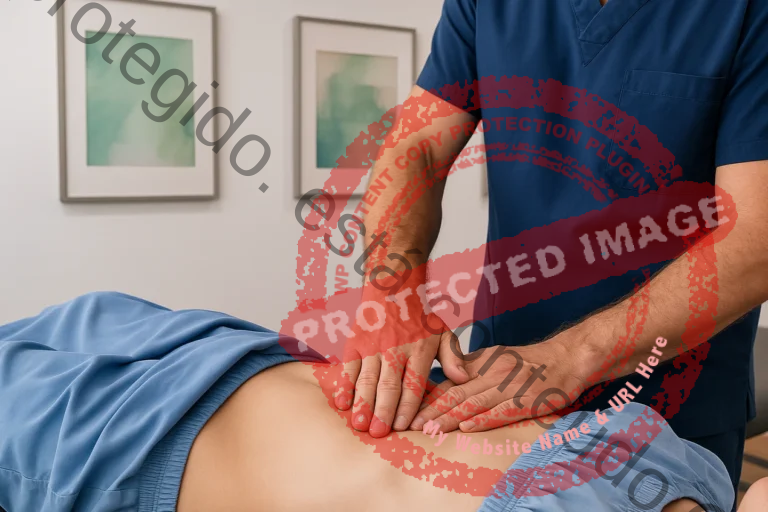
In the Integrative Osteopathy consultation, the assessment aims to contextualise symptoms within each individual's global picture, considering not only the physical dimension but also habits, and the level of stress, and other daily factors. This framework allows for more informed decisions and guides progressive lifestyle changes, tailored to individual realities and needs.
Looking after your health means taking an active role in everyday choices. Investing in prevention is investing in a continuous process of self-regulation and adaptation. Small decisions, maintained consistently over time, can contribute to greater functional balance and a more conscious relationship with your own body and well-being.
David Brandão | Osteopath and Physiotherapist
Specialised in Clinical Psychoneuroimmunology
Physiotherapist Card: 3652 | Order of Physiotherapists // Osteopath Card: C-0031697 | ACSS
Integrativa | Health and well-being as a lifestyle
This website and its content are for information purposes only and are not a substitute for medical or health professional advice. In all cases, treatments should be individualised and guided by health professionals. Do not make any changes to your treatment without contacting the doctor or health professional accompanying you.
Related articles