Intestine and Low Back Pain: relationship and the role of Visceral Osteopathy

Low back pain is one of the most common musculoskeletal complaints and a significant cause of functional limitation. Traditionally, its clinical approach has centred mainly on a biomechanical perspective, focusing on the spine and adjacent muscle tissues. However, scientific research has shown that, in some contexts, low back pain can involve...

Cranio-Visceral Osteopathy: an integrative view of the body

Cranio-Visceral Osteopathy combines two complementary approaches: Cranial Osteopathy and Visceral Osteopathy, with the aim of improving communication between the central nervous system and the internal organs, promoting functional balance in the body. Cranial Osteopathy focuses on the manipulation of cranial structures and the central nervous system, while Visceral Osteopathy acts...

Persistent back pain? The gut can play an important role

Back pain, particularly lower back pain, is a common complaint and in many cases is associated with structural alterations in the spine, muscles or joints. However, there are situations in which the origin of the pain may not be restricted to these structures, and it is pertinent to consider other factors involved. The body works...

The role of the vagus nerve in digestion and intestinal health

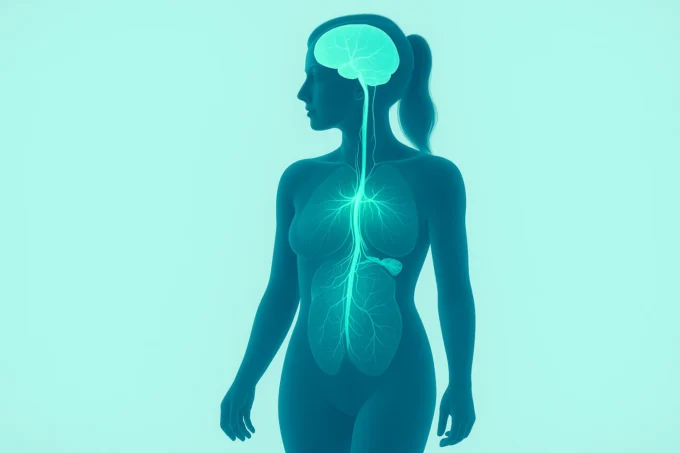
The vagus nerve is one of the main components of the autonomic nervous system, playing a fundamental role in regulating many bodily processes, including digestion and intestinal health. As one of the main communication routes between the brain and the gastrointestinal system, the vagus nerve has a direct impact on the functioning of the digestive system,...

Visceral osteopathy and the vagus nerve: activating the parasympathetic nervous system

The vagus nerve, the largest nerve in the autonomic nervous system, plays a fundamental role in regulating various vital functions in the body, such as heart rate, breathing and digestion. It is one of the main communication routes between the brain and the internal organs, and is essential for the functioning of the gastrointestinal system, heart...

The role of the vagus nerve in brain-body communication and influencing your health

The vagus nerve is one of the most important components of the nervous system and is essential for communication between the brain and the body. As part of the autonomic nervous system, it regulates vital functions that occur automatically, such as digestion, breathing, heart rate and the stress response. In addition, the vagus nerve plays...

Vagus nerve

The vagus nerve: the silent guardian of the human body and well-being

David Brandão is a Physiotherapist (License 3652 | Order of Physiotherapists) and Osteopath (License C-0031697 | ACSS), specialising in Clinical Psychoneuroimmunology. He practices at Integrativa, where he supports individuals with issues related to nervous system regulation, chronic pain, and functional imbalances. The vagus nerve is one of the body's main regulators. When its function…

Osteopathy

Visceral Manual Therapy: a fundamental approach to Osteopathy

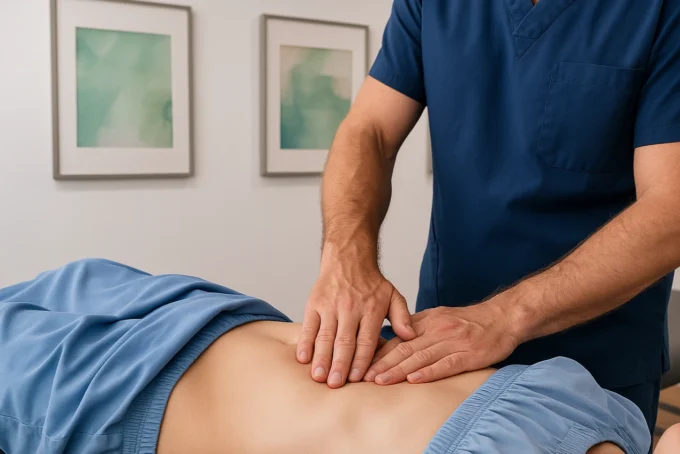
Visceral Manual Therapy is a specialised technique within Visceral Osteopathy that focuses on assessing and intervening in dysfunctions of the internal organs and their supporting structures, using gentle and precise manual techniques. Visceral Osteopathy recognises the interdependence between the body's systems, considering that dysfunctions in the internal organs can...