
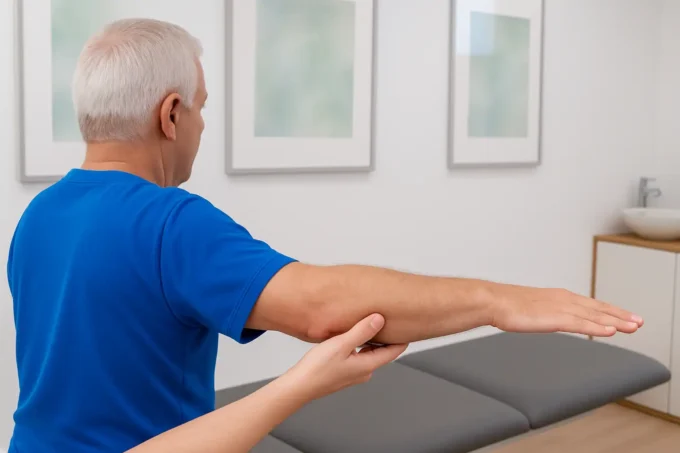
Cranio-Visceral Osteopathy: an integrative view of the body

Cranio-Visceral Osteopathy combines two complementary approaches: Cranial Osteopathy and Visceral Osteopathy, with the aim of improving communication between the central nervous system and the internal organs, promoting functional balance in the body. Cranial Osteopathy focuses on the manipulation of cranial structures and the central nervous system, while Visceral Osteopathy acts...

Inflammation, pain and the vagus nerve: the Integrative Osteopathic view

Chronic pain doesn't always originate where it is felt. In many cases, it results from a complex interaction between neurophysiological mechanisms, persistent inflammatory processes and the activity of the vagus nerve. These three elements are closely interlinked, and understanding this relationship is fundamental for a more informed clinical approach to persistent pain and...

Cranial osteopathy and the vagus nerve: an approach to physiological balance

Cranial Osteopathy is a gentle therapeutic approach that focuses on the manipulation of cranial structures and the sacro-cranial system, with the aim of improving the functioning of the central nervous system. This technique can influence the function of the vagus nerve, the largest nerve in the autonomic nervous system, which plays a fundamental role in regulating...

Osteopathic approach to craniomandibular disorders and headaches

Craniomandibular disorders encompass conditions that affect the temporomandibular joint (TMJ), the muscles responsible for chewing and related structures. These can be classified into three main groups: joint dysfunctions, such as articular disc displacement and arthritis; muscle dysfunctions, which include muscle spasms and fatigue; and mixed dysfunctions, which combine joint and muscle symptoms,...

Trigeminal-cervical complex and neck pain: the relationship with the temporomandibular joint (TMJ) from an osteopathic perspective

Neck pain is a common complaint in the adult population. Although it is often associated with alterations in the cervical spine, its origin is not always exclusively in this region. In certain clinical conditions, neck pain may be related to alterations in the trigeminal nerve, often associated with dysfunction of the temporomandibular joint (TMJ), and may influence...

Osteopathy in the Temporomandibular Joint (TMJ) and Orofacial Pain

Temporomandibular joint (TMJ) dysfunction is a common condition that can cause pain, discomfort and functional limitations in the jaw region and adjacent structures. Its origin is multifactorial and may involve muscle tension, changes in dental occlusion, trauma, mechanical overload and factors related to stress and the regulation of the nervous system. In recent...

When stress bites: bruxism as a response to stress

Bruxism is a multifactorial condition, often associated with stress, emotional tension and persistent worries. It is characterised by the involuntary grinding or clenching of the teeth, often without the person realising it. This behaviour can be interpreted as a physical manifestation of chronic stress, especially when the body's regulation mechanisms become overloaded....

Clinical approach to bruxism: the essential role of osteopathy

Bruxism is a multifactorial condition characterised by the involuntary grinding or clenching of the teeth, often associated with factors such as stress, emotional tension and constant worry. Often, the individual is not fully aware of this behaviour, which can be interpreted as a physical response to chronic stress, functioning as an adaptive mechanism to cope with...

Temporomandibular dysfunction (TMJ): healthy habits that complement physiotherapy treatment

Temporomandibular Dysfunction (TMD) is a common condition, often associated with pain and discomfort in the jaw and adjacent structures. Pain can be accompanied by clicking, facial stiffness and limited mouth opening, affecting not only chewing but also speech and sleep, with a significant impact on quality of life. A...