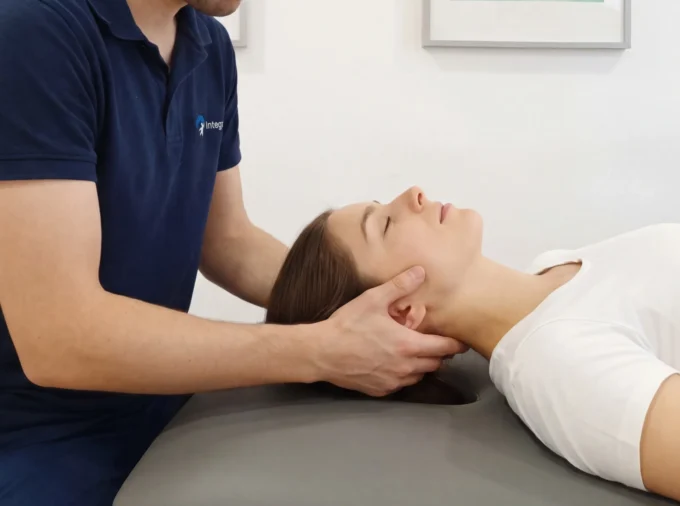
Headaches and migraines: an integrative approach with Cranial Osteopathy

Headaches and migraines are common complaints that can significantly affect quality of life. Their clinical manifestation varies and can be associated with factors such as stress, muscle tension, hormonal imbalances, changes in cranial structures and postural problems. The diversity of potential causes contributes to the complexity of these conditions, highlighting the...

Everyday movement: how to integrate more physical activity simply and consistently

Physical activity is one of the cornerstones of good health. However, incorporating movement into your daily life doesn't always mean starting a structured training plan or going to the gym. For many people, the main challenge lies in counteracting increasingly sedentary lifestyles and finding simple, sustainable ways to move more…

Sleep as a pillar of health from an integrative perspective

Sleep is one of the fundamental pillars of a healthy and balanced life. During nocturnal rest, the body activates essential processes of recovery, cellular repair, and functional reorganisation. At the same time, mental activity slows down and emotions tend to stabilise. Despite its importance, sleep is often undervalued in the context of the rhythm…

Training according to the hormonal cycle

Training according to your menstrual cycle isn't a trend, it's physiology

Physical exercise is not just a mechanical stimulus on the muscle. It is an integrated biological stressor, with simultaneous impact on the metabolic, endocrine, nervous, and immune systems. The response to exercise depends on intensity, duration and the organism's internal context, and this context, in the female body, varies cyclically. Ignoring the menstrual cycle is...

Osteopathy for neck pain

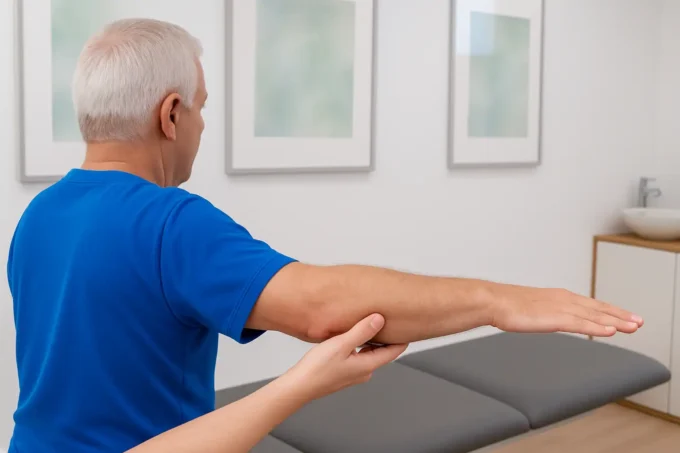
Neck pain (cervicalgia): clinical framing and integrative perspective

Neck pain, also known as cervicalgia, refers to pain located in the neck region and is part of the broader group of spinal pain, potentially coexisting with back or lower back complaints. Neck pain is one of the most frequent musculoskeletal complaints in the adult population, with a significant impact on daily functionality, work performance, and well-being…

Osteopathy Osteopath

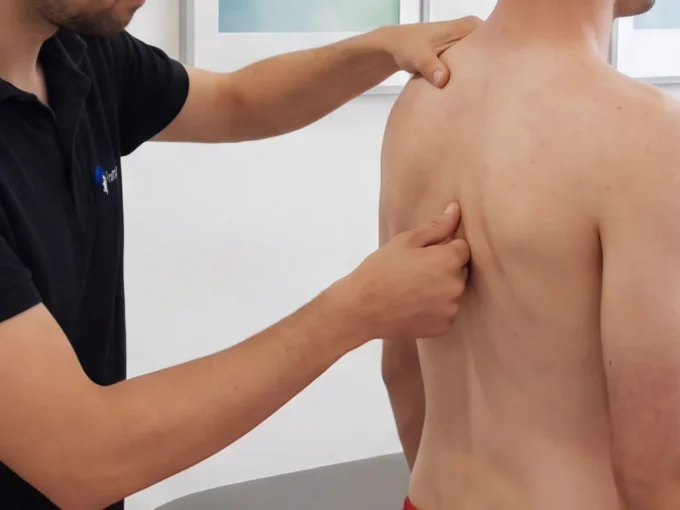
Osteopathy: how the clinical assessment is carried out

About the author David Brandão is a Physiotherapist (Licence 3652 | College of Physiotherapists) and Osteopath (Licence C-0031697 | ACSS), specialising in Clinical Psychoneuroimmunology. He sees patients at Integrativa, where he helps people with musculoskeletal complaints, chronic pain, and functional imbalances. Clinical assessment in Osteopathy is a process that analyses the body as a whole, not just the…

Low back pain osteopathy

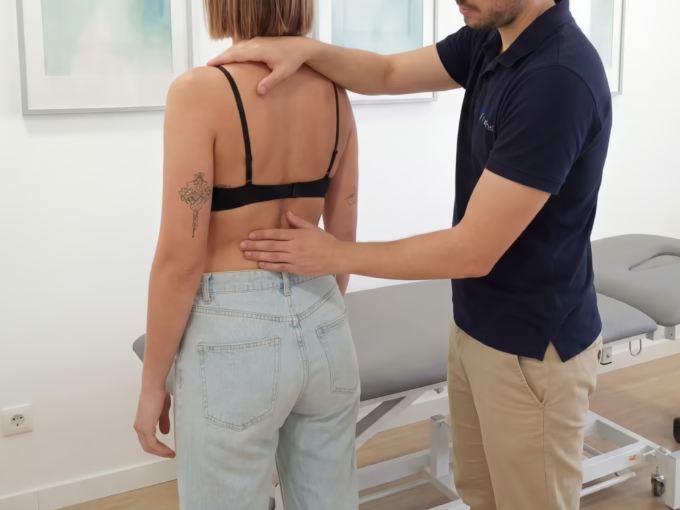
Osteopathy and low back pain: clinical framework and integrative perspective

Low back pain, also known as lumbago, is pain localised in the lower region of the spine and is part of the wider group of back pains, which can also involve the dorsal, cervical or sacral regions. It is one of the most common musculoskeletal complaints in the adult population, with a significant impact on daily functionality, labour participation...

Intestine and Low Back Pain: relationship and the role of Visceral Osteopathy

Low back pain is one of the most common musculoskeletal complaints and a significant cause of functional limitation. Traditionally, its clinical approach has centred mainly on a biomechanical perspective, focusing on the spine and adjacent muscle tissues. However, scientific research has shown that, in some contexts, low back pain can involve...

The Vagus Nerve and Spirituality: Exploring the Connection Between the Body, the Nervous System, and Consciousness

The vagus nerve, the tenth cranial nerve, plays a fundamental role in regulating the autonomic nervous system, particularly in modulating the parasympathetic response, which is responsible for promoting recovery and balance in the body after stressful situations. Although it has traditionally been studied in the context of classical physiology, the vagus nerve has also been associated with...

Cranio-Visceral Osteopathy: an integrative view of the body

Cranio-Visceral Osteopathy combines two complementary approaches: Cranial Osteopathy and Visceral Osteopathy, with the aim of improving communication between the central nervous system and the internal organs, promoting functional balance in the body. Cranial Osteopathy focuses on the manipulation of cranial structures and the central nervous system, while Visceral Osteopathy acts...