
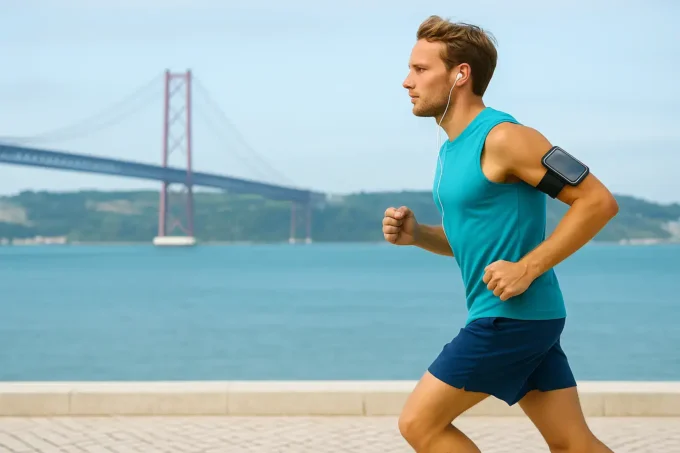
Training according to the hormonal cycle

Training according to your menstrual cycle isn't a trend, it's physiology

Physical exercise is not just a mechanical stimulus on the muscle. It is an integrated biological stressor, with simultaneous impact on the metabolic, endocrine, nervous, and immune systems. The response to exercise depends on intensity, duration and the organism's internal context, and this context, in the female body, varies cyclically. Ignoring the menstrual cycle is...

Cranio-Visceral Osteopathy: an integrative view of the body

Cranio-Visceral Osteopathy combines two complementary approaches: Cranial Osteopathy and Visceral Osteopathy, with the aim of improving communication between the central nervous system and the internal organs, promoting functional balance in the body. Cranial Osteopathy focuses on the manipulation of cranial structures and the central nervous system, while Visceral Osteopathy acts...

Do you sleep badly? How the biological clock and circadian rhythm influence sleep

The human body works according to an internal clock known as the circadian rhythm. This system plays a part in organising multiple biological functions, such as sleep, appetite, body temperature, hormone production, energy levels and mood. This rhythm is naturally synchronised with the cycle of light and darkness, i.e. with...

Movement is Medicine: physical exercise as a regulator of metabolism and the immune system

Physical exercise, when framed appropriately for the individual context, is recognised as a relevant physiological stimulus with an impact on multiple systems in the body. Scientific research has explored the relationship between movement, metabolism and the immune system, suggesting that regular physical activity can influence adaptive processes associated with homeostasis, inflammation...

Melatonin, sunlight and sleep regulation: understanding the relationship

Melatonin is a central hormone in the regulation of the sleep-wake cycle and plays an important role in the overall physiological balance. It is associated with the organisation of the circadian rhythm, the quality of sleep and various adaptive processes in the body. Although it is commonly known as the “sleep hormone”, its regulation depends to a large extent on...

Rest is more than sleep: 6 types of rest from an integrative perspective

Sleeping well is fundamental, but not always enough to guarantee consistent levels of energy, mental clarity and well-being. Many people report persistent tiredness even after an apparently restorative night's sleep. In these cases, the origin of the fatigue may not lie exclusively in sleep, but also in the absence or insufficient integration of other forms of rest...

The Role of Physical Exercise in Regulating Inflammation and Strengthening the Immune System

Physical exercise not only benefits cardiovascular and muscular health, but also plays a fundamental role in regulating inflammation and strengthening the immune system. One of the main reasons for this positive effect lies in the release of interleukin-6 (IL-6) by the muscles during physical activity. How Exercise Reduces...

Epigenetics: the influence of the environment on health regulation, the view from Psychoneuroimmunology

Scientific research has shown that genetic information does not act in isolation, nor does it determine health trajectories throughout life in a linear fashion. Epigenetics, a field that studies the biochemical mechanisms that regulate gene expression without altering the DNA sequence, contributes to a more dynamic understanding of...