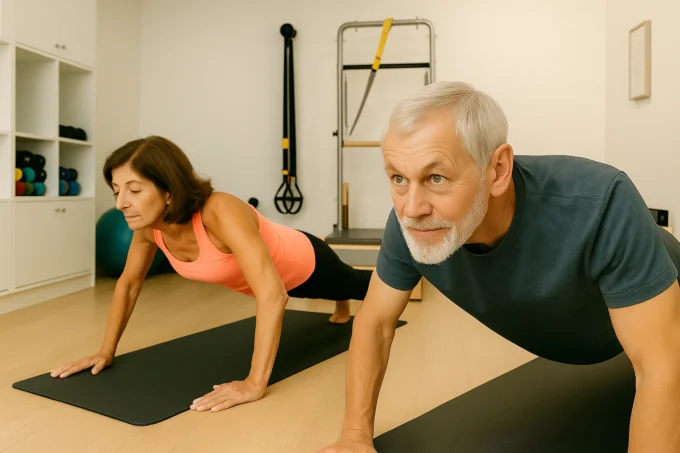

Training according to the hormonal cycle

Training according to your menstrual cycle isn't a trend, it's physiology

Physical exercise is not just a mechanical stimulus on the muscle. It is an integrated biological stressor, with simultaneous impact on the metabolic, endocrine, nervous, and immune systems. The response to exercise depends on intensity, duration and the organism's internal context, and this context, in the female body, varies cyclically. Ignoring the menstrual cycle is...

The Role of Physical Exercise in Regulating Inflammation and Strengthening the Immune System

Physical exercise not only benefits cardiovascular and muscular health, but also plays a fundamental role in regulating inflammation and strengthening the immune system. One of the main reasons for this positive effect lies in the release of interleukin-6 (IL-6) by the muscles during physical activity. How Exercise Reduces...

Integrating physical activity into everyday life: simple strategies for consistent practice

Incorporating more physical activity into everyday life doesn't require radical changes or complex routines. Small adjustments to everyday life can have a significant impact on physical health, emotional balance and the body's ability to adapt. Regular movement contributes not only to physical fitness, but also to regulating the nervous system,...

Habits: why it's so difficult to change behaviour

Many people want to change habits that they know aren't good for them. It could be their diet, their sleep, the way they deal with stress or their lack of movement. Despite this awareness, change doesn't always happen. The idea that “you just have to want to” to change a habit is common, but it rarely corresponds to the experience...

Walking: small steps, big health benefits

Good health is possible without structured training, but not without movement. Mobility and strength exercises, such as weight training, are important for overall health; however, if you had to choose just one physical activity to practise throughout your life, walking would undoubtedly be one of the most complete options...

The role of contact with nature in regulating health

Increased urbanisation has been associated with significant changes in the physical and mental health of the population. Life in urban contexts, marked by accelerated rhythms, continuous exposure to artificial stimuli and less contact with natural environments, can contribute to higher levels of stress, fatigue and functional imbalances. Human beings evolved in...