
Training according to the hormonal cycle

Training according to your menstrual cycle isn't a trend, it's physiology

Physical exercise is not just a mechanical stimulus on the muscle. It is an integrated biological stressor, with simultaneous impact on the metabolic, endocrine, nervous, and immune systems. The response to exercise depends on intensity, duration and the organism's internal context, and this context, in the female body, varies cyclically. Ignoring the menstrual cycle is...
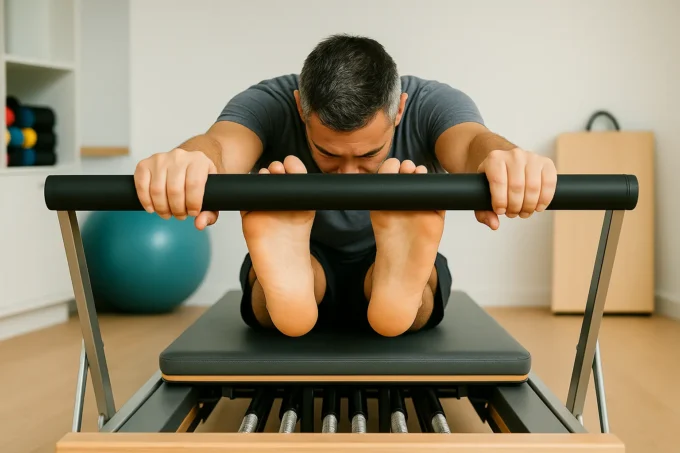
The role of Clinical Pilates in optimizing high-performance athlete performance

High-performance sport places high demands on the musculoskeletal and neuromotor system, requiring higher levels of strength, power, endurance, coordination and motor control. Small deficits in movement, stability or neuromuscular control can jeopardise sporting performance and significantly increase the risk of injury. In this context, Clinical Pilates has been taking on...

Post-competition recovery strategies for athletes

Taking part in sporting competitions involves significant physical and mental demands. After a competitive effort, recovery plays a central role in the body's adaptation to the imposed loads, influencing tolerance to subsequent training, fatigue management and the continuity of sports practice over time. Post-competition recovery must therefore be...

Adductor Tendinopathy Physiotherapy

Osteopathy in running: support for injury prevention and adaptation to training

Running is one of the oldest forms of movement associated with human beings. From an evolutionary point of view, the ability to run is thought to have played an important role in adapting to the environment, particularly in obtaining food and responding to threatening situations. With the development of human societies, this motor skill...

Clinical Pilates for runners: support for stability, mobility and postural control

Running is a widely practised activity, but it imposes repeated loads and a significant impact on the musculoskeletal system. Although it may seem simple, running consistently requires adequate preparation, not only on a cardiovascular level, but also in terms of movement control, stability and the ability of tissues to adapt to impact....