Joint stability: the foundation of health, injury prevention, and physical performance

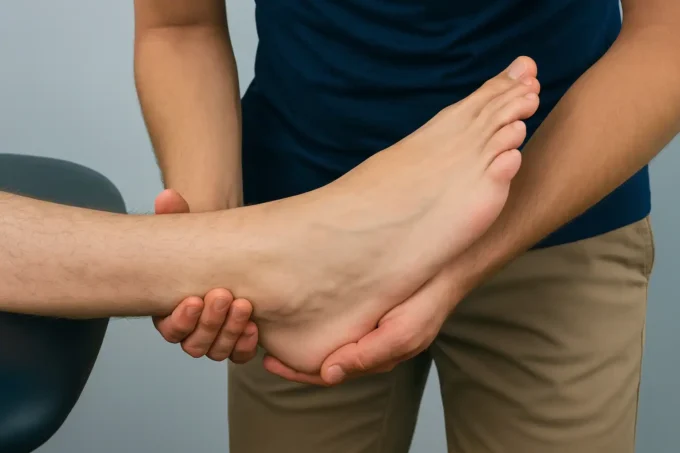
Joint stability is an essential element for bodily health and the quality of movement. It refers to a joint's ability to remain aligned and controlled when faced with internal and external forces, preventing dislocations or injuries. When there is good stability, the body moves with greater safety, efficiency, and confidence, both in training…

Stretching at work: simple exercises to reduce pain and improve posture

Working long hours sitting down or maintaining the same position for long periods has become commonplace, but that doesn't mean it's healthy. The human body is designed for movement. Scientific evidence shows that a sedentary lifestyle at work is associated with muscle stiffness, discomfort and musculoskeletal pain, especially in the neck, shoulders, back and wrists. In addition...

Clinical Pilates in the Menopause: benefits for bone and muscle health and quality of life

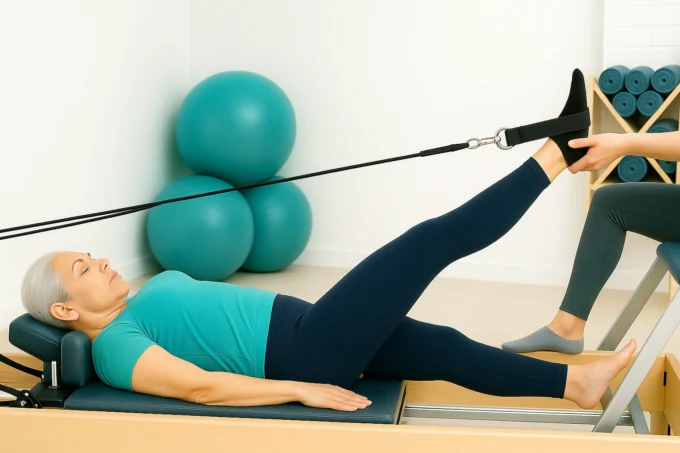
The menopause is a physiological phase in a woman's life, characterised by the definitive cessation of menstrual cycles and significant hormonal changes, especially a decrease in oestrogen and progesterone levels. These changes have systemic repercussions, with an impact on physical, metabolic and emotional health. Symptoms such as hot flushes, sleep disturbances, increased fat...

Femoroacetabular impingement: how physiotherapy can help relieve hip pain and reduce the risk of surgery

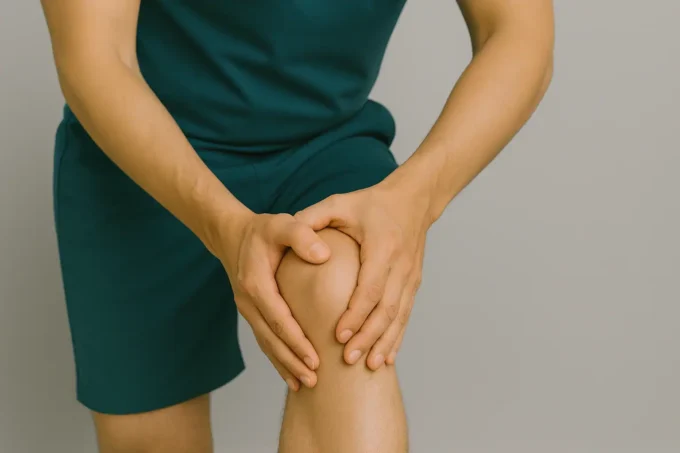
Femoroacetabular impingement (FAC) is a frequent cause of hip and groin pain, mainly affecting young adults, physically active people and sports enthusiasts. When not treated properly, it can contribute to functional limitations, changes in joint mechanics and an increased risk of early development of hip arthrosis. Physiotherapy...

Scoliosis: how Clinical Pilates can contribute to function and quality of movement

Scoliosis is a musculoskeletal condition characterised by a three-dimensional lateral curvature of the spine, often associated with vertebral rotation and postural changes. It can appear during childhood, adolescence or adulthood, with a variable impact on posture, movement and quality of life. Although not all people with scoliosis experience pain,...

Lower back pain? These 5 simple exercises can relieve it

Low back pain is one of the most common musculoskeletal complaints in the adult population and one of the main causes of functional disability worldwide. Recent studies show that regular physical activity, combined with specific exercise programmes, is one of the most effective strategies for reducing pain, improving spinal functionality and preventing...

Does Clinical Pilates help with low back pain?

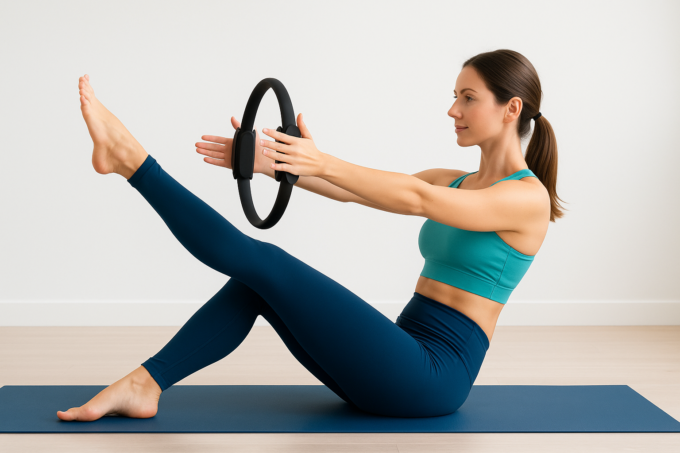
Low back pain is one of the most prevalent musculoskeletal conditions worldwide, with a significant impact on quality of life, productivity and functional autonomy. It is estimated that the majority of cases are classified as non-specific low back pain, i.e. with no structural cause identifiable through imaging tests. This framework reinforces the relevance of...