Padel injuries: prevention, physiotherapy and return to sport

O padel é uma das modalidades desportivas com maior crescimento em Portugal. A sua prática envolve mudanças rápidas de direção, acelerações, travagens, rotações do tronco e movimentos repetidos dos membros superiores acima da cabeça. Estas exigências tornam o jogo fisicamente intenso e podem aumentar o risco de lesão, sobretudo quando existe preparação física insuficiente, aumento…

Knee injuries

Sports injuries to the knee: symptoms, causes, assessment and return to sport

O joelho é uma das articulações mais solicitadas durante a prática desportiva. Correr, saltar, travar, mudar de direção ou rodar sobre um pé apoiado no solo expõe as diferentes estruturas do joelho a forças consideráveis. Quando a carga aplicada ultrapassa a capacidade dos músculos, tendões, ligamentos, meniscos ou restantes tecidos, pode ocorrer uma lesão. Noutros…

Clinical Pilates: 5 myths and 5 truths about this physiotherapy approach

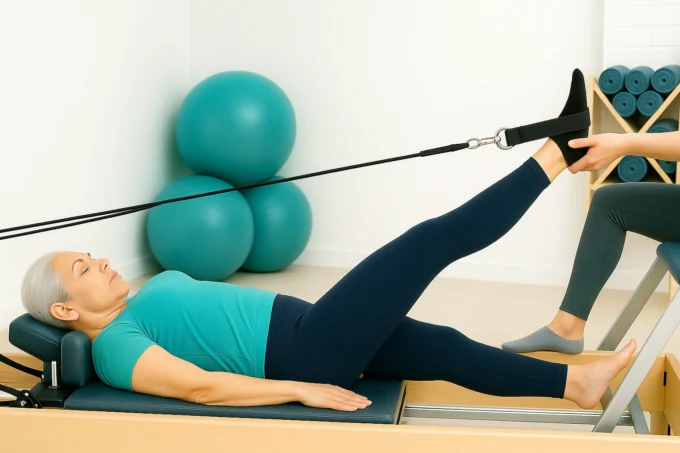
Clinical Pilates is an adaptation of the traditional Pilates method to the clinical context, used in Physiotherapy for rehabilitation, injury prevention, and the promotion of physical function. It should be guided by physiotherapists or professionals with specific training, in order to ensure safe, progressive practice that is tailored to...

Clinical Pilates and Fibromyalgia: Benefits for Pain, Mobility and Quality of Life

Fibromyalgia is a chronic condition that affects millions of people worldwide, being particularly common in women. It is characterised by widespread musculoskeletal pain, persistent fatigue, sleep disturbances, and cognitive difficulties, which can significantly compromise quality of life. Although there is no single, definitive solution, scientific evidence has shown…

Clinical Pilates after lumbar spine surgery: when to start and main benefits

Lumbar spine surgery can be a significant step in addressing pathologies such as herniated discs, lumbar spinal stenosis, or vertebral instability. Procedures like lumbar discectomy or spinal fusion are frequently performed with the aim of reducing symptoms, improving structural stability, and promoting functional recovery. However, the period…

Bell's Palsy: preventing sequelae and re-educating facial function with specialised physiotherapy

Idiopathic peripheral facial palsy, known as Bell's palsy, is characterised by the sudden onset of weakness or loss of movement in the muscles on one side of the face. In addition to the initial functional impact, one of the main concerns is associated with the risk of developing residual changes that may compromise facial symmetry and expression.

Pelvic floor physiotherapy during pregnancy: when to start, what to expect and benefits

During pregnancy, the body undergoes several physical and hormonal changes that can directly influence the functioning of the pelvic floor. Although symptoms such as urine leakage, a feeling of heaviness in the vaginal area, or pelvic discomfort are relatively frequent, they should not be considered normal from a clinical point of view. In practice, many women only seek...