Kitchen materials and health: what to consider

The safety of food depends not only on its origin or nutritional quality, but also on the materials it comes into contact with during preparation, cooking and storage. Scientific evidence suggests that some materials used in the kitchen can, under certain conditions, release small quantities of potentially undesirable substances, especially when exposed to high heat,...

Stretching routine: benefits for muscle and joint health

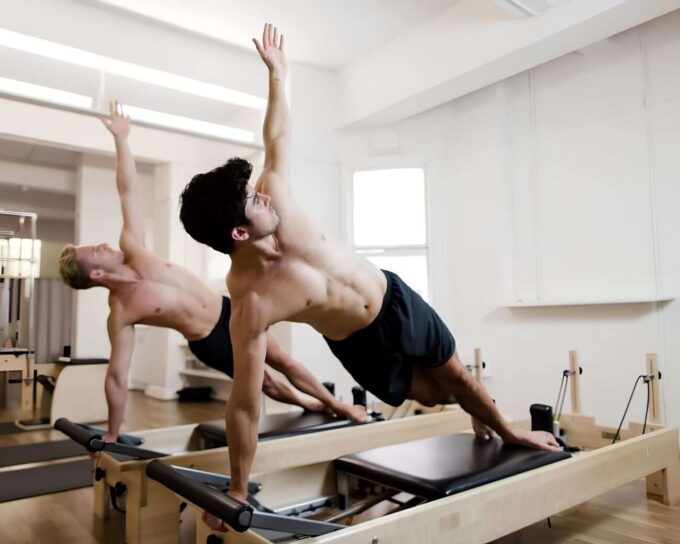
In today's daily life, we often adopt habits that place heavy demands on the body, such as sitting for long periods, performing repetitive movements at work or doing physical activity without adequate preparation. Over time, these demands can contribute to muscle tension, joint discomfort and movement limitations. In this context, stretching plays an important role,...

Habits: why it's so difficult to change behaviour

Many people want to change habits that they know aren't good for them. It could be their diet, their sleep, the way they deal with stress or their lack of movement. Despite this awareness, change doesn't always happen. The idea that “you just have to want to” to change a habit is common, but it rarely corresponds to the experience...

Stress, bruxism and headaches: understanding the relationship from an integrative perspective

Living in contexts with high levels of demand and pressure can contribute to the development of stress, a physiological and neurobiological response to situations perceived as threatening. When prolonged, stress can affect both mental and physical health, manifesting itself in various ways, including bruxism. This behaviour, often triggered by stress, is characterised...

6 simple strategies to start reducing stress and anxiety

Stress is the body's defence mechanism and a natural response to situations perceived as threatening, whether real or anticipated. This response mobilises physical and cognitive resources to deal with immediate challenges, preparing the body for action by activating hormonal systems and the autonomic nervous system. In...

Self-care: taking care of yourself as a continuous process of health care

Self-care: a continuous process of health care Self-care is the set of practices through which a person takes care of themselves, taking into account their physical, emotional and mental needs. It is a process of self-regulation that involves attention to the body, mind and internal signals, allowing for a more...

Walking: small steps, big health benefits

Good health is possible without structured training, but not without movement. Mobility and strength exercises, such as weight training, are important for overall health; however, if you had to choose just one physical activity to practise throughout your life, walking would undoubtedly be one of the most complete options...

The role of contact with nature in regulating health

Increased urbanisation has been associated with significant changes in the physical and mental health of the population. Life in urban contexts, marked by accelerated rhythms, continuous exposure to artificial stimuli and less contact with natural environments, can contribute to higher levels of stress, fatigue and functional imbalances. Human beings evolved in...