
Cranial osteopathy in the treatment of chronic sinusitis: a complementary approach

Chronic sinusitis is an inflammatory process of the sinuses, often associated with infections as well as functional or environmental factors. The sinuses are air cavities located in the skull whose function depends on proper ventilation and an effective balance between mucus production and drainage. When these mechanisms are altered,...

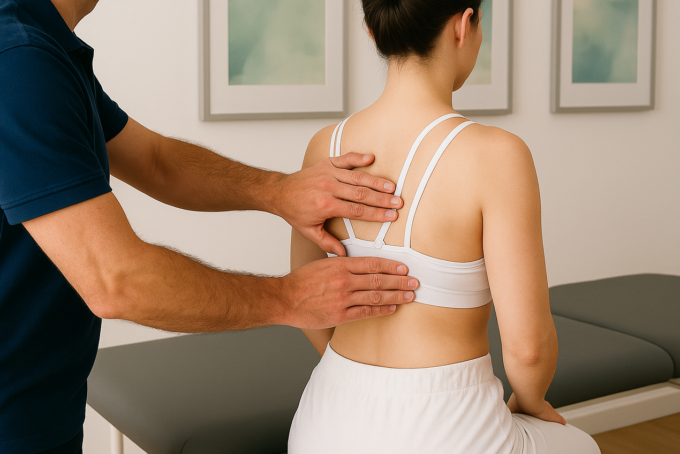
Chronic low back pain and emotional regulation: understanding the link

Chronic low back pain is a common health problem. In Portugal, a significant proportion of the adult population reports persistent back pain. It's important to realise that chronic pain is a multifactorial phenomenon, resulting from the interaction of various physical, emotional and contextual factors. Physical, emotional and lifestyle factors Among the...

Cranial osteopathy for headache and migraine relief: mechanisms and evidence

Cranial Osteopathy is an area of Osteopathy that focuses on the bones of the skull and face. Cranial Osteopathy is used to treat various health problems, including headaches and migraines. Dysfunctions of the skull and sacro-cranial system can influence the general health of the body. Cranial techniques are gentle and...

Headaches and migraines: an integrative approach with Cranial Osteopathy

Headaches and migraines are common complaints that can significantly affect quality of life. Their clinical manifestation varies and can be associated with factors such as stress, muscle tension, hormonal imbalances, changes in cranial structures and postural problems. The diversity of potential causes contributes to the complexity of these conditions, highlighting the...

4 Pillars of Health: relax, nourish, move and sleep

We may have busy routines, professional goals achieved and an apparently organised life, but if we wake up feeling tired, irritable or lacking energy, something in the overall balance may not be right. Health is not a one-off state, but an ongoing process that requires daily attention to different dimensions of human functioning. In clinical practice, some...

The importance of a good night's sleep in regulating the body

A bad night's sleep can have effects comparable to a state of slight inebriation, particularly in terms of reduced motor coordination and reasoning ability. Sleep deprivation is associated with impatience, irritability, memory failures, mood swings, difficulty concentrating and low energy levels. When persistent, it can contribute to states of...

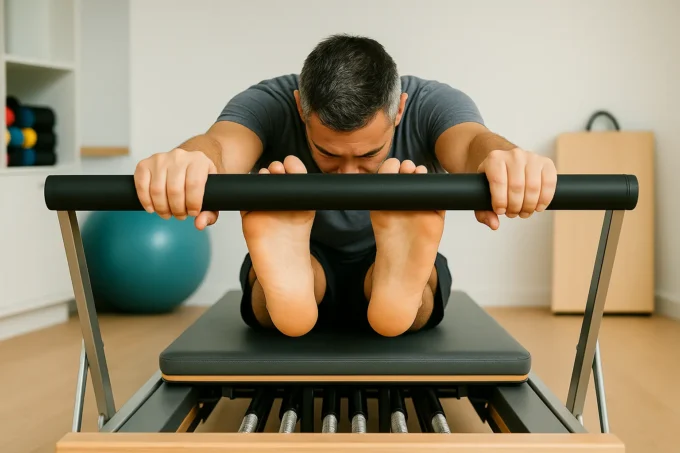
Osteopathy and Clinical Pilates: an integrated approach to balance

The combination of Osteopathy and Clinical Pilates allows for an integrated approach to health, based on the relationship between structure, function and movement. While Osteopathy focuses on assessing and intervening on the structure of the body and its interrelationships, Clinical Pilates uses movement as a therapeutic tool to improve control, alignment and...

Osteopathy

What is Visceral Osteopathy: principles and clinical approach

Visceral Osteopathy is a specific area of Osteopathy dedicated to the assessment and intervention of the mobility, motility and function of the internal organs (viscera), as well as their biomechanical, fascial and neurophysiological interrelationships with the musculoskeletal system and the nervous system. It is based on an understanding of the human organism as an integrated functional unit,...