Does Clinical Pilates help with low back pain?

Low back pain is one of the most prevalent musculoskeletal conditions worldwide, with a significant impact on quality of life, productivity and functional autonomy. It is estimated that the majority of cases are classified as non-specific low back pain, i.e. with no structural cause identifiable through imaging tests. This framework reinforces the relevance of...

The role of Clinical Pilates in optimizing high-performance athlete performance

High-performance sport places high demands on the musculoskeletal and neuromotor system, requiring higher levels of strength, power, endurance, coordination and motor control. Small deficits in movement, stability or neuromuscular control can jeopardise sporting performance and significantly increase the risk of injury. In this context, Clinical Pilates has been taking on...

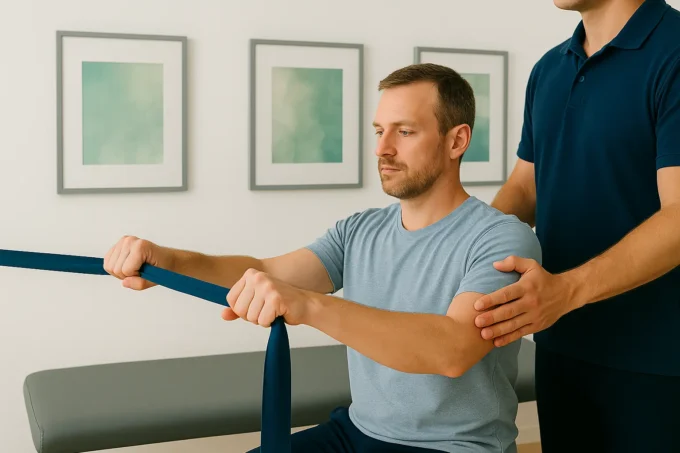
Shoulder Pain? Find out how Physiotherapy treats Tendonitis

Shoulder tendinitis, also known as rotator cuff tendinopathy, is one of the most common causes of pain in this joint. It is characterised by inflammation or degeneration of the tendons responsible for stabilising and moving the shoulder, particularly those of the rotator cuff, the supraspinatus being the most frequently affected. This condition can cause pain, limitation...

Back pain at work: how to improve your posture at the computer

Spending long hours at the computer is associated with an increased risk of back pain and other musculoskeletal complaints. In predominantly sedentary professions, such as technology, office or administrative jobs, posture and prolonged static positions play an important role in physical health, productivity and daily well-being....

Muscle tension: why stretching doesn't always solve the discomfort

When areas of tension appear in the body, the most common impulse is to lengthen or “stretch” the muscles in an attempt to relieve the discomfort. This automatic response is deeply rooted in the perception that muscle stiffness alone is the problem. However, from a clinical point of view, this association is not always correct....