Stretching routine: benefits for muscle and joint health

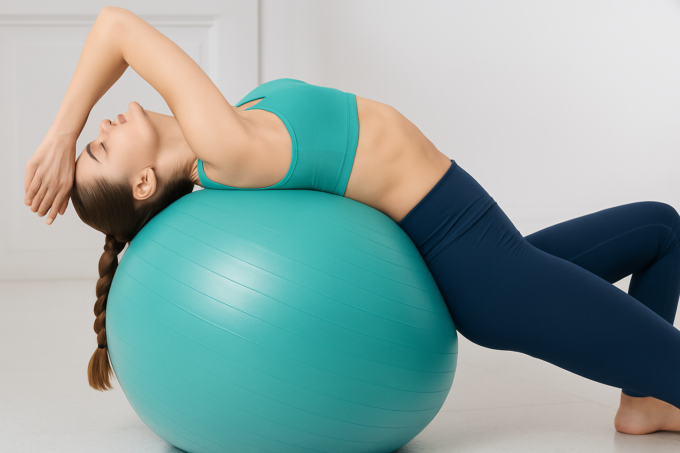
In today's daily life, we often adopt habits that place heavy demands on the body, such as sitting for long periods, performing repetitive movements at work or doing physical activity without adequate preparation. Over time, these demands can contribute to muscle tension, joint discomfort and movement limitations. In this context, stretching plays an important role,...

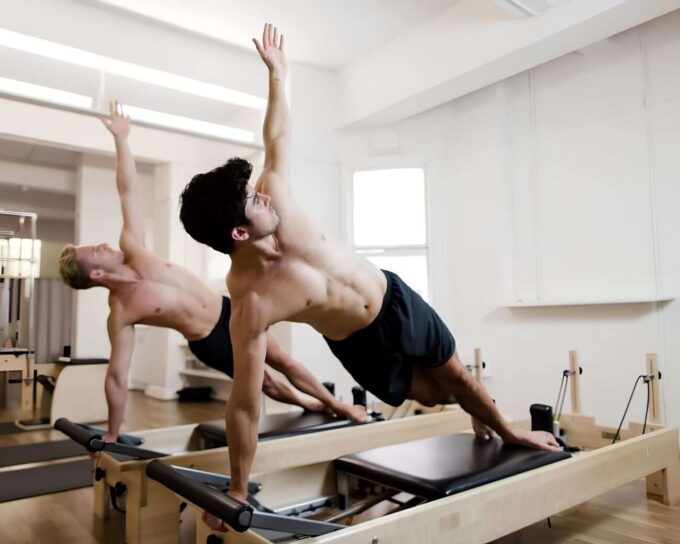
Clinical Pilates for runners: support for stability, mobility and postural control

Running is a widely practised activity, but it imposes repeated loads and a significant impact on the musculoskeletal system. Although it may seem simple, running consistently requires adequate preparation, not only on a cardiovascular level, but also in terms of movement control, stability and the ability of tissues to adapt to impact....

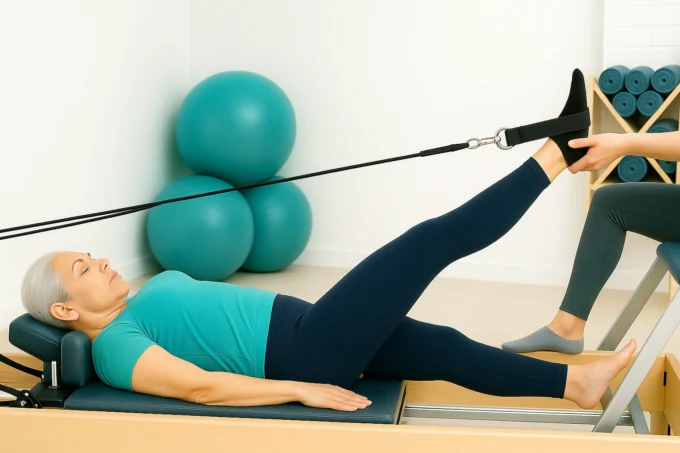
Clinical Pilates

How clinical Pilates can help with low back pain

Low back pain is one of the most common musculoskeletal complaints and can be associated with multiple factors, such as prolonged postures, sedentary lifestyles, mechanical overload, altered motor control or previous episodes of injury. In many cases, the management of low back pain benefits from approaches that integrate targeted movement, postural control and functional adaptation strategies. Pilates...

Osteopathy and Clinical Pilates: an integrated approach to balance

The combination of Osteopathy and Clinical Pilates allows for an integrated approach to health, based on the relationship between structure, function and movement. While Osteopathy focuses on assessing and intervening on the structure of the body and its interrelationships, Clinical Pilates uses movement as a therapeutic tool to improve control, alignment and...