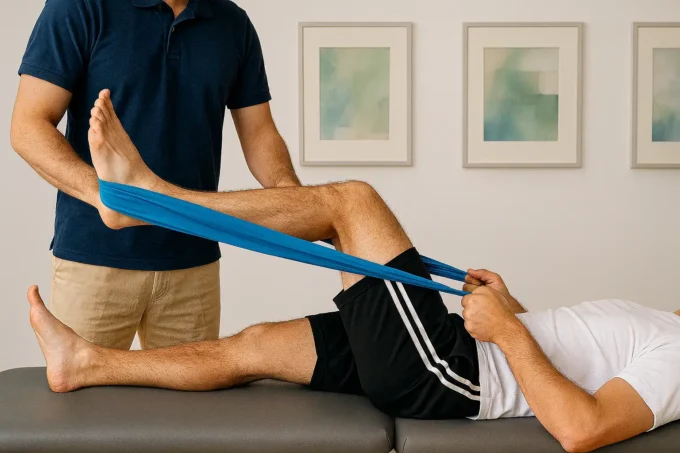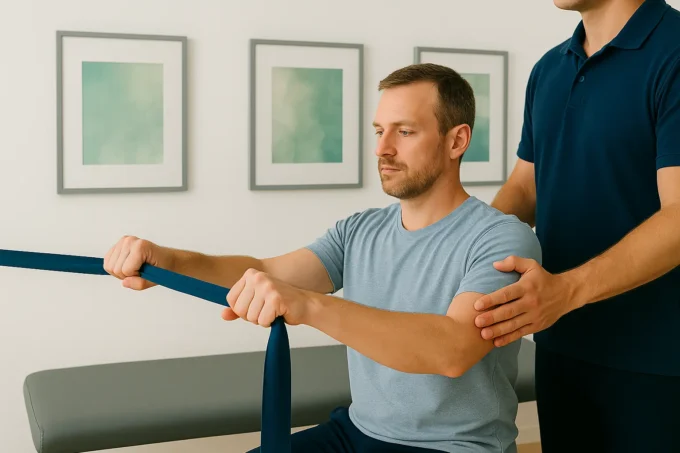
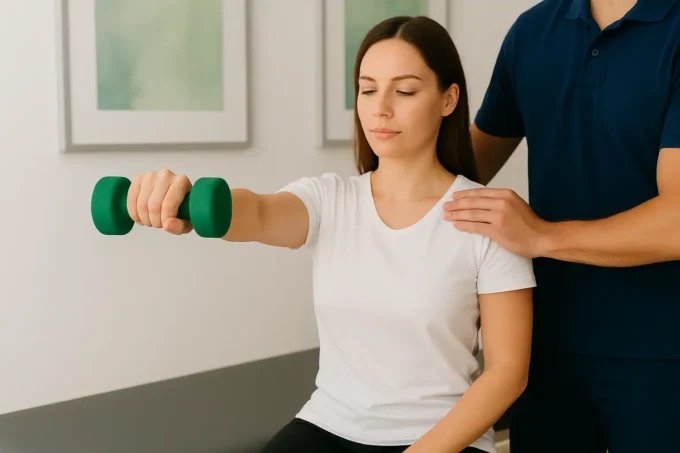
Shoulder Pain? Find out how Physiotherapy treats Tendonitis

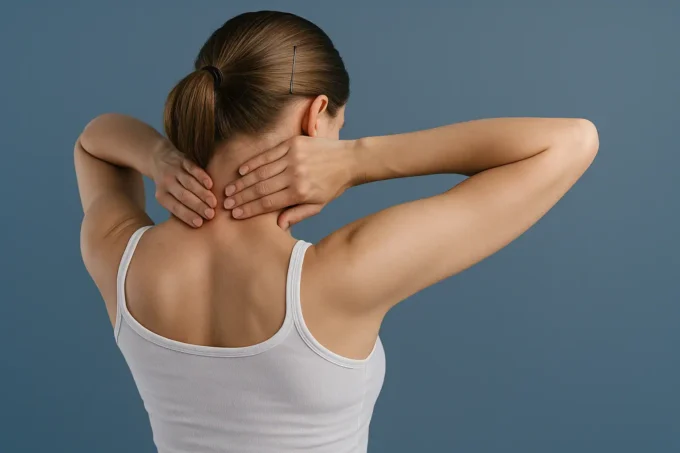
Shoulder tendinitis, also known as rotator cuff tendinopathy, is one of the most common causes of pain in this joint. It is characterised by inflammation or degeneration of the tendons responsible for stabilising and moving the shoulder, particularly those of the rotator cuff, the supraspinatus being the most frequently affected. This condition can cause pain, limitation...
A look at Integrative Psychology

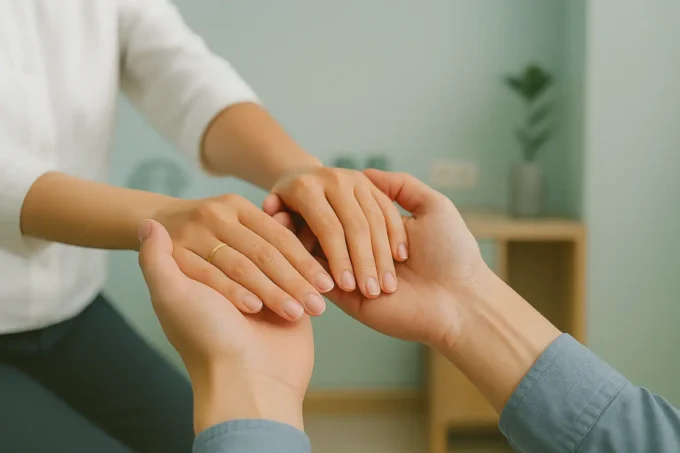
At some point, almost everyone who starts therapy faces doubts, fears or expectations about how they “should” be or what they “should” say. The truth is simple and liberating: in therapy, everything is fine. This is not a space for performance, but for meeting - with your story, with your emotions...

Cranio-Visceral Osteopathy: an integrative view of the body

Cranio-Visceral Osteopathy combines two complementary approaches: Cranial Osteopathy and Visceral Osteopathy, with the aim of improving communication between the central nervous system and the internal organs, promoting functional balance in the body. Cranial Osteopathy focuses on the manipulation of cranial structures and the central nervous system, while Visceral Osteopathy acts...

Persistent back pain? The gut can play an important role

Back pain, particularly lower back pain, is a common complaint and in many cases is associated with structural alterations in the spine, muscles or joints. However, there are situations in which the origin of the pain may not be restricted to these structures, and it is pertinent to consider other factors involved. The body works...

Do you sleep badly? How the biological clock and circadian rhythm influence sleep

The human body works according to an internal clock known as the circadian rhythm. This system plays a part in organising multiple biological functions, such as sleep, appetite, body temperature, hormone production, energy levels and mood. This rhythm is naturally synchronised with the cycle of light and darkness, i.e. with...