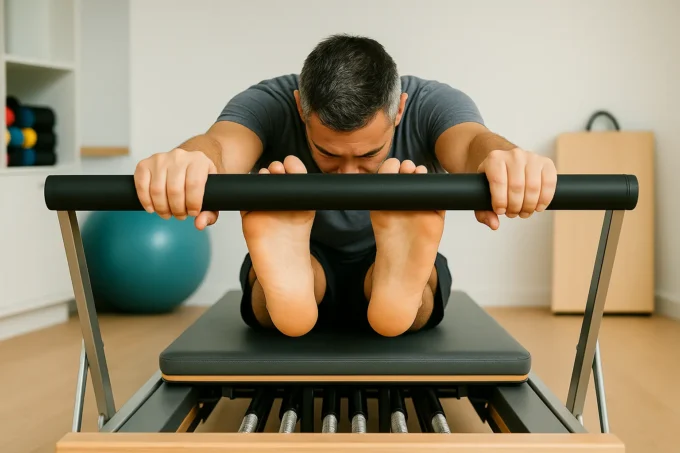

Does Clinical Pilates help with low back pain?

Low back pain is one of the most prevalent musculoskeletal conditions worldwide, with a significant impact on quality of life, productivity and functional autonomy. It is estimated that the majority of cases are classified as non-specific low back pain, i.e. with no structural cause identifiable through imaging tests. This framework reinforces the relevance of...

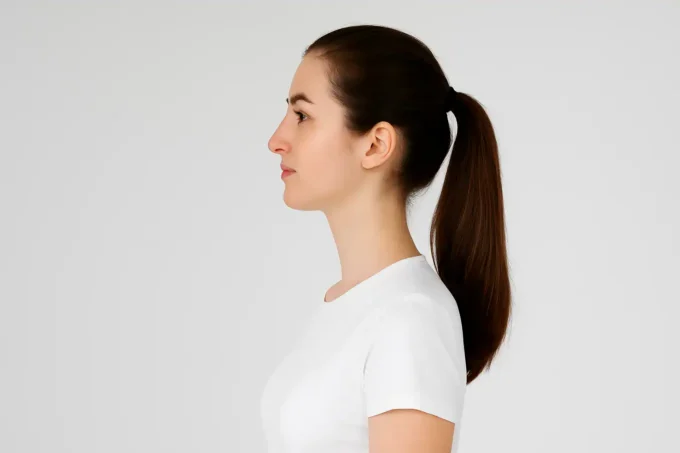
Intestine and Low Back Pain: relationship and the role of Visceral Osteopathy

Low back pain is one of the most common musculoskeletal complaints and a significant cause of functional limitation. Traditionally, its clinical approach has centred mainly on a biomechanical perspective, focusing on the spine and adjacent muscle tissues. However, scientific research has shown that, in some contexts, low back pain can involve...

The role of Clinical Pilates in optimizing high-performance athlete performance

High-performance sport places high demands on the musculoskeletal and neuromotor system, requiring higher levels of strength, power, endurance, coordination and motor control. Small deficits in movement, stability or neuromuscular control can jeopardise sporting performance and significantly increase the risk of injury. In this context, Clinical Pilates has been taking on...

The Vagus Nerve and Spirituality: Exploring the Connection Between the Body, the Nervous System, and Consciousness

The vagus nerve, the tenth cranial nerve, plays a fundamental role in regulating the autonomic nervous system, particularly in modulating the parasympathetic response, which is responsible for promoting recovery and balance in the body after stressful situations. Although it has traditionally been studied in the context of classical physiology, the vagus nerve has also been associated with...