Osteopathy

Visceral Manual Therapy: a fundamental approach to Osteopathy

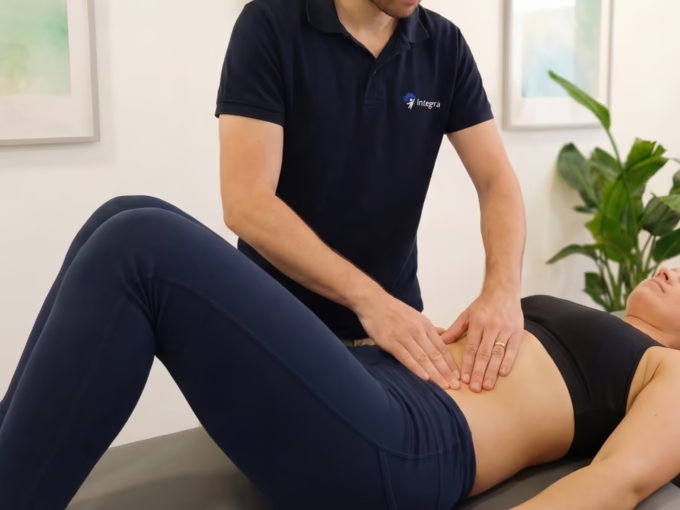
Visceral Manual Therapy is a specialised technique within Visceral Osteopathy that focuses on assessing and intervening in dysfunctions of the internal organs and their supporting structures, using gentle and precise manual techniques. Visceral Osteopathy recognises the interdependence between the body's systems, considering that dysfunctions in the internal organs can...

Integrating physical activity into everyday life: simple strategies for consistent practice

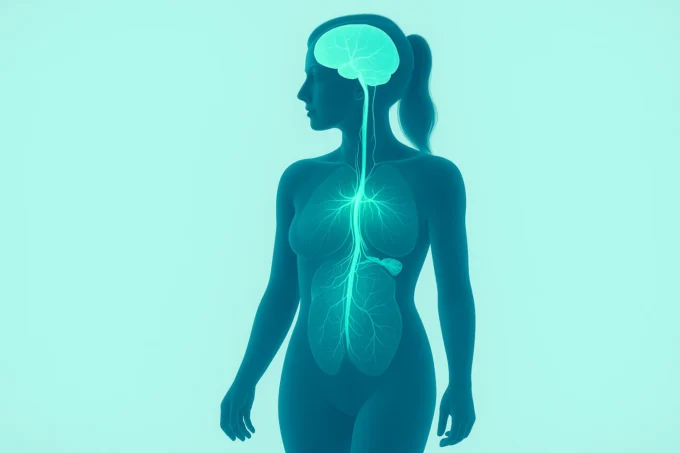
Incorporating more physical activity into everyday life doesn't require radical changes or complex routines. Small adjustments to everyday life can have a significant impact on physical health, emotional balance and the body's ability to adapt. Regular movement contributes not only to physical fitness, but also to regulating the nervous system,...

The impact of blue light from electronic devices on sleep

The use of electronic devices is part of most people's daily lives. Computers, smartphones and tablets are often used until very close to bedtime, which raises clinically relevant questions about the impact of the blue light emitted by these screens on sleep organisation. Understanding these effects is essential to...

Osteopathy in the Temporomandibular Joint (TMJ) and Orofacial Pain

Temporomandibular joint (TMJ) dysfunction is a common condition that can cause pain, discomfort and functional limitations in the jaw region and adjacent structures. Its origin is multifactorial and may involve muscle tension, changes in dental occlusion, trauma, mechanical overload and factors related to stress and the regulation of the nervous system. In recent...

Lifestyle habits and health: impact on individual and family well-being

Health and quality of life result from the interaction between genetic, physiological, environmental and behavioural factors. Although not all of these factors can be modified, a significant part of health status is related to everyday choices and habits. Focusing on aspects that can be adjusted is an important step towards promoting...

The anatomical relationship between the shoulder and the diaphragm in the osteopathic approach

Shoulder pain is a frequent complaint in clinical practice and, in some cases, can be associated with alterations in other body structures, including the diaphragm and breathing patterns. Scientific literature has explored this relationship mainly in the context of musculoskeletal pain, motor control and respiratory physiotherapy. The data...

When stress bites: bruxism as a response to stress

Bruxism is a multifactorial condition, often associated with stress, emotional tension and persistent worries. It is characterised by the involuntary grinding or clenching of the teeth, often without the person realising it. This behaviour can be interpreted as a physical manifestation of chronic stress, especially when the body's regulation mechanisms become overloaded....

Musculoskeletal pain of visceral origin: the Osteopathic view

Musculoskeletal pain is often associated with injuries or dysfunctions in the muscles, joints or bones. However, a more comprehensive approach recognises that pain can also originate in internal organs, although it is felt in areas of the body that, at first glance, seem unrelated to these organs. This phenomenon, known as pain...

Clinical approach to bruxism: the essential role of osteopathy

Bruxism is a multifactorial condition characterised by the involuntary grinding or clenching of the teeth, often associated with factors such as stress, emotional tension and constant worry. Often, the individual is not fully aware of this behaviour, which can be interpreted as a physical response to chronic stress, functioning as an adaptive mechanism to cope with...