Padel injuries: prevention, physiotherapy and return to sport

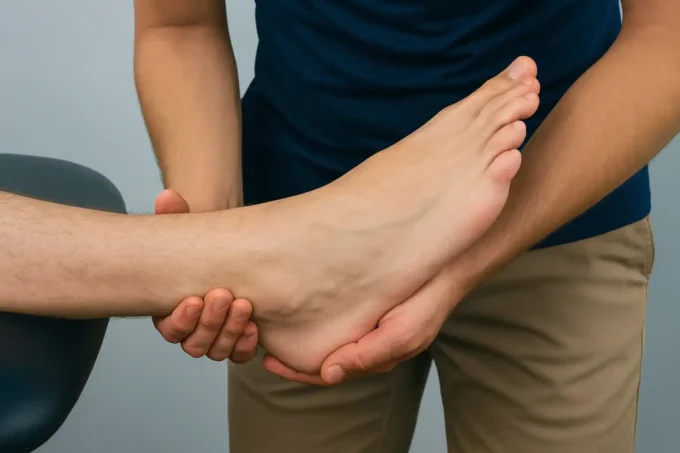
Padel is one of the fastest-growing sports in Portugal. Its practice involves rapid changes of direction, accelerations, decelerations, trunk rotations, and repetitive overhead movements of the upper limbs. These demands make the game physically intense and can increase the risk of injury, especially when physical preparation is insufficient, or when there is an increase in...

Knee injuries

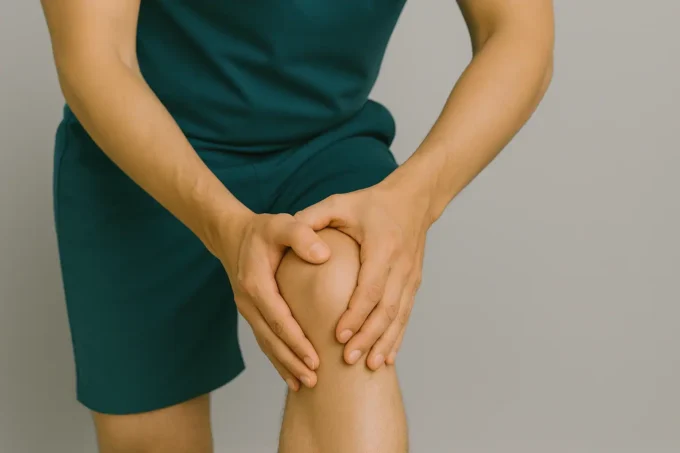
Sports injuries to the knee: symptoms, causes, assessment and return to sport

The knee is one of the joints most put under strain during sporting activity. Running, jumping, stopping, changing direction, or pivoting on a foot planted on the ground exposes the knee's various structures to considerable forces. When the applied load exceeds the capacity of the muscles, tendons, ligaments, menisci, or other tissues, an injury can occur. In other...

Clinical Pilates: 5 myths and 5 truths about this physiotherapy approach

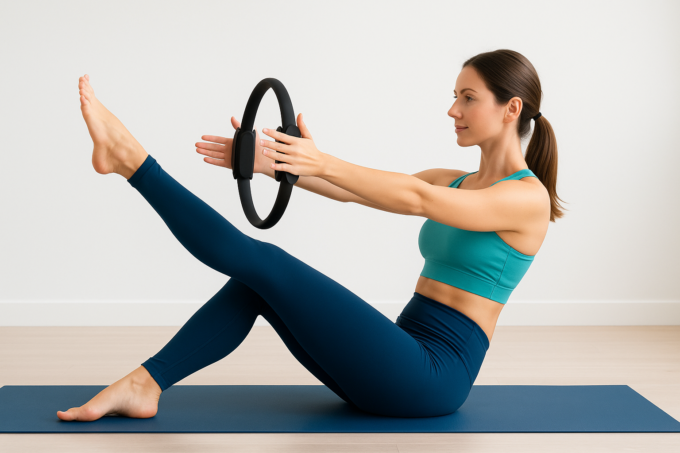
Clinical Pilates is an adaptation of the traditional Pilates method to the clinical context, used in Physiotherapy for rehabilitation, injury prevention, and the promotion of physical function. It should be guided by physiotherapists or professionals with specific training, in order to ensure safe, progressive practice that is tailored to...

Clinical Pilates and Fibromyalgia: Benefits for Pain, Mobility and Quality of Life

Fibromyalgia is a chronic condition that affects millions of people worldwide, being particularly common in women. It is characterised by widespread musculoskeletal pain, persistent fatigue, sleep disturbances, and cognitive difficulties, which can significantly compromise quality of life. Although there is no single, definitive solution, scientific evidence has shown…

Clinical Pilates after lumbar spine surgery: when to start and main benefits

Lumbar spine surgery can be a significant step in addressing pathologies such as herniated discs, lumbar spinal stenosis, or vertebral instability. Procedures like lumbar discectomy or spinal fusion are frequently performed with the aim of reducing symptoms, improving structural stability, and promoting functional recovery. However, the period…

Bell's Palsy: preventing sequelae and re-educating facial function with specialised physiotherapy

Idiopathic peripheral facial palsy, known as Bell's palsy, is characterised by the sudden onset of weakness or loss of movement in the muscles on one side of the face. In addition to the initial functional impact, one of the main concerns is associated with the risk of developing residual changes that may compromise facial symmetry and expression.