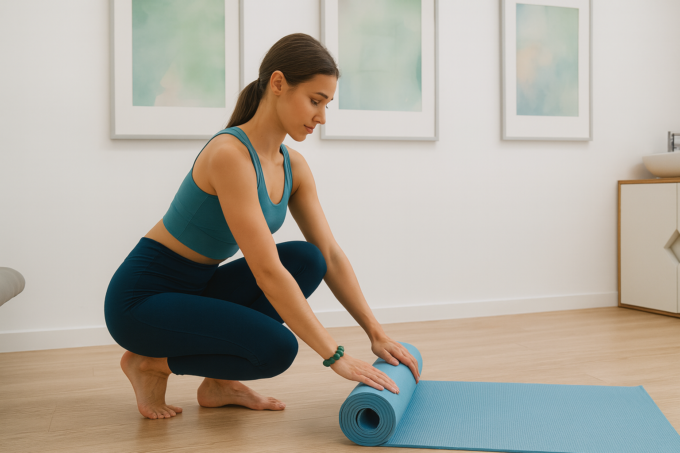
4 Pillars of Health: relax, nourish, move and sleep

We may have busy routines, professional goals achieved and an apparently organised life, but if we wake up feeling tired, irritable or lacking energy, something in the overall balance may not be right. Health is not a one-off state, but an ongoing process that requires daily attention to different dimensions of human functioning. In clinical practice, some...

Facial paralysis: symptoms and the importance of early specialised physiotherapy

Facial paralysis is a neuromuscular condition that can cause pain in the face, increased tension in the facial muscles, asymmetry of movements, difficulty closing one eye and involuntary muscle contractions. In the event of any of these signs, it is essential to initially seek medical assessment and then be referred to physiotherapy specialising in facial paralysis, ideally...

Neurological physiotherapy helps you regain your quality of life

Neurological physiotherapy or neuromuscular physiotherapy is an area of physiotherapy specialising in the assessment and treatment of individuals with injuries and/or pathologies affecting the central and/or peripheral nervous system. Neurological physiotherapy acts in the acute, sub-acute or chronic phase of the pathology. The pathologies in which neurological physiotherapy has...

Osteopathy and Clinical Pilates: an integrated approach to balance

The combination of Osteopathy and Clinical Pilates allows for an integrated approach to health, based on the relationship between structure, function and movement. While Osteopathy focuses on assessing and intervening on the structure of the body and its interrelationships, Clinical Pilates uses movement as a therapeutic tool to improve control, alignment and...

Temporomandibular joint: Physiotherapy and Osteopathy in temporomandibular dysfunction

Temporomandibular joint (TMJ) disorders affect approximately 25% of the world's population, and are the second most prevalent musculoskeletal clinical condition after low back pain, according to the National Institute of Dental and Craniofacial Research (NIDCR). Despite its high prevalence, many people are unaware that there are effective conservative approaches to managing this condition. O...

Pelvic Physiotherapy

Urinary incontinence. Have you heard of physiotherapy as an effective treatment?

Let's talk about the problem that is urinary incontinence, but also the solution: urogynaecological physiotherapy. Did you know that 10%-40% of women have urinary incontinence and because it's seen as such an intimate problem, many women don't mention it? Urinary incontinence doesn't just affect menopausal women. It can affect pregnant women or...