The importance of preoperative physiotherapy before anterior cruciate ligament (ACL) surgery

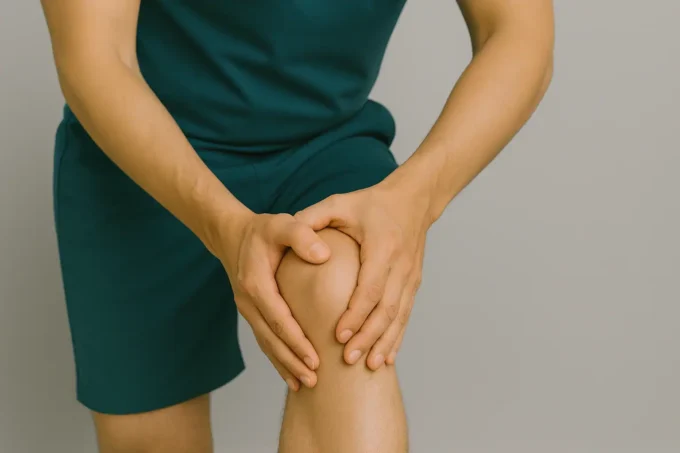
Anterior cruciate ligament (ACL) injuries are one of the most common and significant in sport, affecting both professional and amateur athletes. ACL reconstruction surgery is often necessary to regain knee stability and allow a return to physical activity. However, preparation for this surgery, especially through preoperative physiotherapy,...

Synkinesias after facial paralysis: the role of specialised physiotherapy

Facial paralysis is a neuromuscular condition that can develop into synkinesis, involuntary movements that occur simultaneously with voluntary movements. These alterations can compromise function, facial harmony and self-image, with a significant impact on quality of life. Specialised physiotherapy started early plays an important role in reducing the risk of developing these...

Treatment of low back pain with Physiotherapy, Osteopathy and Clinical Pilates

Low back pain is one of the most common complaints among the world's population, affecting people of all ages and lifestyles. Often, this pain can be disabling, limiting daily activities and negatively impacting quality of life. Fortunately, there are several effective therapeutic approaches, including physiotherapy, osteopathy and clinical Pilates, which can help...

Physiotherapy in the Ironman Triathlon: injury prevention and performance support

The Ironman Triathlon is one of the most demanding endurance sports events, combining 3.8 kilometres of swimming, 180 kilometres of cycling and 42.2 kilometres of running. Preparing for this event involves high volumes of training, repeated loads and significant physical and mental demands. In this context, physiotherapy and osteopathic counselling can...

Footwork in Clinical Pilates: the role of the feet in organising movement

In the context of clinical Pilates, footwork is a set of exercises aimed at functional work on the feet and ankles. Although it focuses on the lower limbs, its impact extends to the overall organisation of movement, since the feet play a fundamental role in the base of support, adaptation to the ground...

Physiotherapy in orofacial pain and the relationship with the temporomandibular joint

Orofacial pain associated with temporomandibular joint (TMJ) dysfunctions has become increasingly common in the population. These conditions can have a significant impact on quality of life, interfering with essential functions such as chewing, speech, sleep and the ability to concentrate. In this context, physiotherapy specialising in orofacial pain and TMJ dysfunctions...