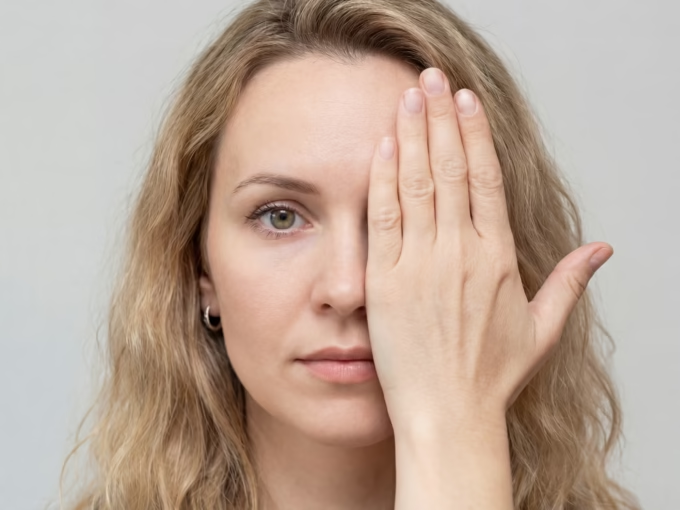
Stress, bruxism and headaches: understanding the relationship from an integrative perspective

Living in contexts with high levels of demand and pressure can contribute to the development of stress, a physiological and neurobiological response to situations perceived as threatening. When prolonged, stress can affect both mental and physical health, manifesting itself in various ways, including bruxism. This behaviour, often triggered by stress, is characterised...

Facial paralysis and self-care: integrative strategies to support physical and emotional balance

Facial paralysis is a neurological condition that compromises the muscles of the face and can make essential functions such as speaking, chewing, drinking, smiling or closing the eyes difficult. These functional changes can have a significant impact on quality of life, both physically and emotionally. In this context, self-care takes centre stage. Integrating consistent habits of...

Clinical Pilates for runners: support for stability, mobility and postural control

Running is a widely practised activity, but it imposes repeated loads and a significant impact on the musculoskeletal system. Although it may seem simple, running consistently requires adequate preparation, not only on a cardiovascular level, but also in terms of movement control, stability and the ability of tissues to adapt to impact....

Chronic low back pain and emotional regulation: understanding the link

Chronic low back pain is a common health problem. In Portugal, a significant proportion of the adult population reports persistent back pain. It's important to realise that chronic pain is a multifactorial phenomenon, resulting from the interaction of various physical, emotional and contextual factors. Physical, emotional and lifestyle factors Among the...

Clinical Pilates

How clinical Pilates can help with low back pain

Low back pain is one of the most common musculoskeletal complaints and can be associated with multiple factors, such as prolonged postures, sedentary lifestyles, mechanical overload, altered motor control or previous episodes of injury. In many cases, the management of low back pain benefits from approaches that integrate targeted movement, postural control and functional adaptation strategies. Pilates...

4 Pillars of Health: relax, nourish, move and sleep

We may have busy routines, professional goals achieved and an apparently organised life, but if we wake up feeling tired, irritable or lacking energy, something in the overall balance may not be right. Health is not a one-off state, but an ongoing process that requires daily attention to different dimensions of human functioning. In clinical practice, some...

Facial paralysis: symptoms and the importance of early specialised physiotherapy

Facial paralysis is a neuromuscular condition that can cause pain in the face, increased tension in the facial muscles, asymmetry of movements, difficulty closing one eye and involuntary muscle contractions. In the event of any of these signs, it is essential to initially seek medical assessment and then be referred to physiotherapy specialising in facial paralysis, ideally...