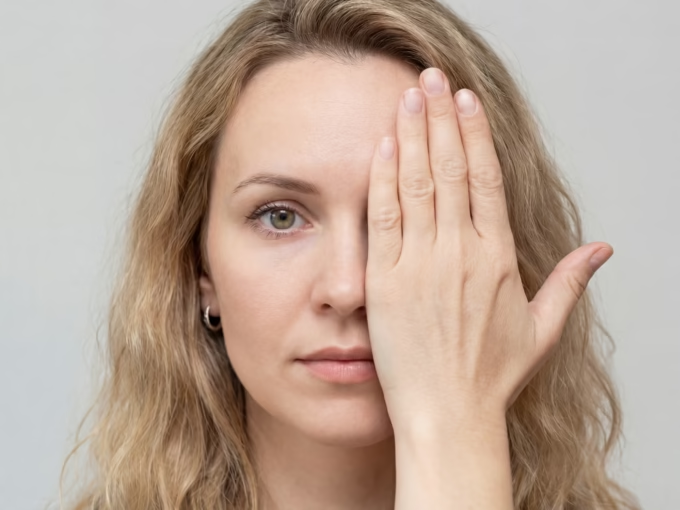
Facial paralysis and self-care: integrative strategies to support physical and emotional balance

Facial paralysis is a neurological condition that compromises the muscles of the face and can make essential functions such as speaking, chewing, drinking, smiling or closing the eyes difficult. These functional changes can have a significant impact on quality of life, both physically and emotionally. In this context, self-care takes centre stage. Integrating consistent habits of...

6 simple strategies to start reducing stress and anxiety

Stress is the body's defence mechanism and a natural response to situations perceived as threatening, whether real or anticipated. This response mobilises physical and cognitive resources to deal with immediate challenges, preparing the body for action by activating hormonal systems and the autonomic nervous system. In...

Self-care: taking care of yourself as a continuous process of health care

Self-care: a continuous process of health care Self-care is the set of practices through which a person takes care of themselves, taking into account their physical, emotional and mental needs. It is a process of self-regulation that involves attention to the body, mind and internal signals, allowing for a more...

Walking: small steps, big health benefits

Good health is possible without structured training, but not without movement. Mobility and strength exercises, such as weight training, are important for overall health; however, if you had to choose just one physical activity to practise throughout your life, walking would undoubtedly be one of the most complete options...

The role of contact with nature in regulating health

Increased urbanisation has been associated with significant changes in the physical and mental health of the population. Life in urban contexts, marked by accelerated rhythms, continuous exposure to artificial stimuli and less contact with natural environments, can contribute to higher levels of stress, fatigue and functional imbalances. Human beings evolved in...

Osteopathy in running: support for injury prevention and adaptation to training

Running is one of the oldest forms of movement associated with human beings. From an evolutionary point of view, the ability to run is thought to have played an important role in adapting to the environment, particularly in obtaining food and responding to threatening situations. With the development of human societies, this motor skill...