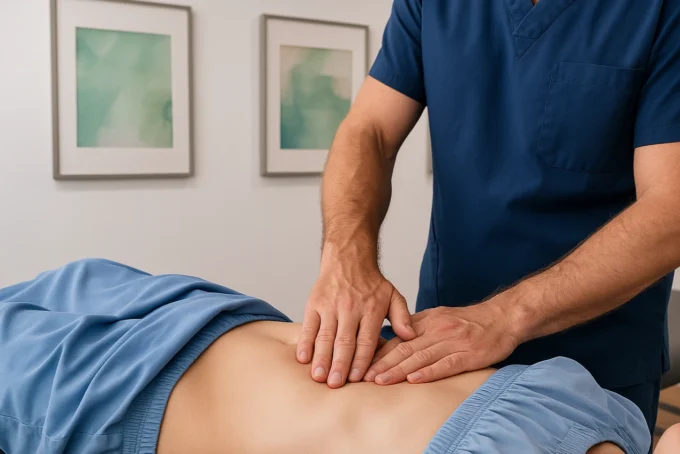
The anatomical relationship between the shoulder and the diaphragm in the osteopathic approach

Shoulder pain is a frequent complaint in clinical practice and, in some cases, can be associated with alterations in other body structures, including the diaphragm and breathing patterns. Scientific literature has explored this relationship mainly in the context of musculoskeletal pain, motor control and respiratory physiotherapy. The data...

When stress bites: bruxism as a response to stress

Bruxism is a multifactorial condition, often associated with stress, emotional tension and persistent worries. It is characterised by the involuntary grinding or clenching of the teeth, often without the person realising it. This behaviour can be interpreted as a physical manifestation of chronic stress, especially when the body's regulation mechanisms become overloaded....

The importance of preoperative physiotherapy before anterior cruciate ligament (ACL) surgery

Anterior cruciate ligament (ACL) injuries are one of the most common and significant in sport, affecting both professional and amateur athletes. ACL reconstruction surgery is often necessary to regain knee stability and allow a return to physical activity. However, preparation for this surgery, especially through preoperative physiotherapy,...

Musculoskeletal pain of visceral origin: the Osteopathic view

Musculoskeletal pain is often associated with injuries or dysfunctions in the muscles, joints or bones. However, a more comprehensive approach recognises that pain can also originate in internal organs, although it is felt in areas of the body that, at first glance, seem unrelated to these organs. This phenomenon, known as pain...

Synkinesias after facial paralysis: the role of specialised physiotherapy

Facial paralysis is a neuromuscular condition that can develop into synkinesis, involuntary movements that occur simultaneously with voluntary movements. These alterations can compromise function, facial harmony and self-image, with a significant impact on quality of life. Specialised physiotherapy started early plays an important role in reducing the risk of developing these...

Clinical approach to bruxism: the essential role of osteopathy

Bruxism is a multifactorial condition characterised by the involuntary grinding or clenching of the teeth, often associated with factors such as stress, emotional tension and constant worry. Often, the individual is not fully aware of this behaviour, which can be interpreted as a physical response to chronic stress, functioning as an adaptive mechanism to cope with...

Treatment of low back pain with Physiotherapy, Osteopathy and Clinical Pilates

Low back pain is one of the most common complaints among the world's population, affecting people of all ages and lifestyles. Often, this pain can be disabling, limiting daily activities and negatively impacting quality of life. Fortunately, there are several effective therapeutic approaches, including physiotherapy, osteopathy and clinical Pilates, which can help...