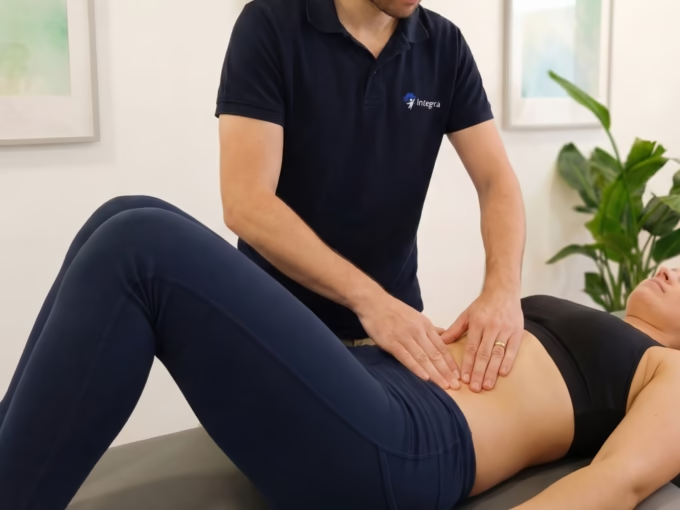
Clinical Pilates: The key to a healthy pregnancy

Pregnancy brings with it a series of hormonal changes that affect connective tissue, making it more extensible and allowing for greater joint movements. Although this increase in flexibility may seem beneficial, in reality it is necessary to limit exaggerated movements of the joints, with the spine being the area of the body most affected. In this context, Clinical Pilates...

Eye protection in facial paralysis: essential care

Facial paralysis is a neuromuscular condition that can compromise the mobility of the facial muscles, affecting functions such as blinking and eyelid closure. It can manifest itself through facial asymmetry, changes in muscle tone, pain and functional deficits, such as difficulty closing the eye completely on the affected side. This limitation can have a significant impact...

The impact of blue light from electronic devices on sleep

The use of electronic devices is part of most people's daily lives. Computers, smartphones and tablets are often used until very close to bedtime, which raises clinically relevant questions about the impact of the blue light emitted by these screens on sleep organisation. Understanding these effects is essential to...

Osteopathy in the Temporomandibular Joint (TMJ) and Orofacial Pain

Temporomandibular joint (TMJ) dysfunction is a common condition that can cause pain, discomfort and functional limitations in the jaw region and adjacent structures. Its origin is multifactorial and may involve muscle tension, changes in dental occlusion, trauma, mechanical overload and factors related to stress and the regulation of the nervous system. In recent...

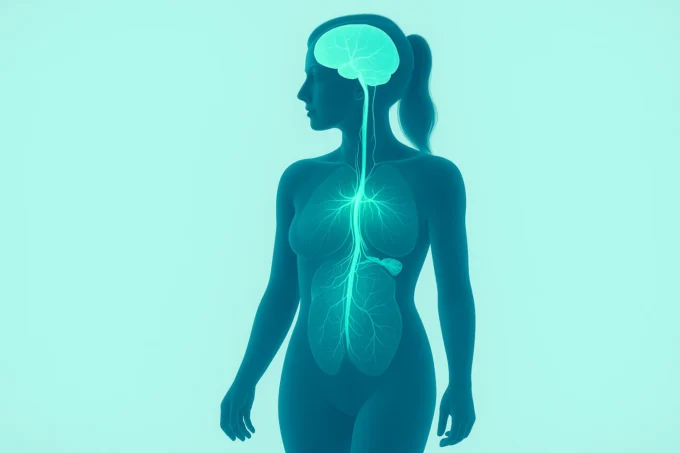
Conscious breathing: a resource for regulating stress and physiological balance

Conscious breathing is not just a one-off relaxation exercise. It can be understood as a resource with a potential impact on physiological regulation, influencing the functioning of the nervous system and the way the body responds to stress and the demands of everyday life. Developing greater respiratory awareness can favour...

Lifestyle habits and health: impact on individual and family well-being

Health and quality of life result from the interaction between genetic, physiological, environmental and behavioural factors. Although not all of these factors can be modified, a significant part of health status is related to everyday choices and habits. Focusing on aspects that can be adjusted is an important step towards promoting...

The anatomical relationship between the shoulder and the diaphragm in the osteopathic approach

Shoulder pain is a frequent complaint in clinical practice and, in some cases, can be associated with alterations in other body structures, including the diaphragm and breathing patterns. Scientific literature has explored this relationship mainly in the context of musculoskeletal pain, motor control and respiratory physiotherapy. The data...

When stress bites: bruxism as a response to stress

Bruxism is a multifactorial condition, often associated with stress, emotional tension and persistent worries. It is characterised by the involuntary grinding or clenching of the teeth, often without the person realising it. This behaviour can be interpreted as a physical manifestation of chronic stress, especially when the body's regulation mechanisms become overloaded....